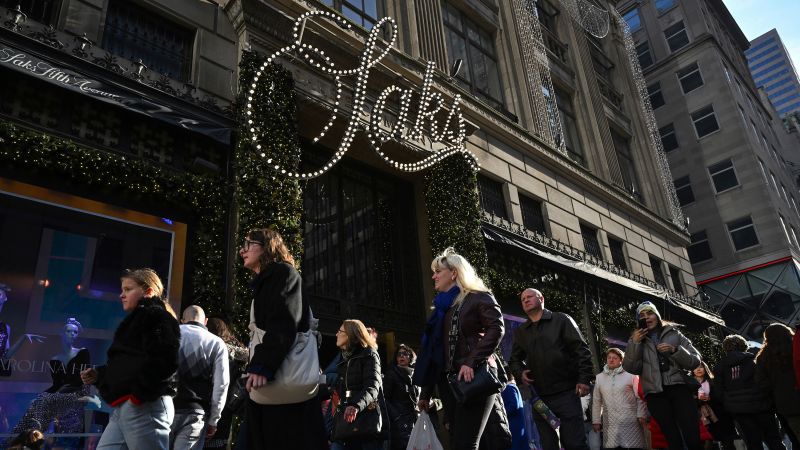
Saks Global, the parent company of the upscale retailer Saks Fifth Avenue, has filed for Chapter 11 bankruptcy protection in the Southern District of Texas, a significant development marking the first major retailer bankruptcy of 2026. The financial troubles stemmed from a heavy debt burden following its acquisition of Neiman Marcus in 2024. This move reflects broader challenges faced by legacy retailers as consumer preferences continue to evolve.
In a recent management overhaul, Marc Metrick stepped down as CEO in early January, paving the way for Richard Baker, the executive chairman of Saks Global. However, just weeks later, Baker also exited the CEO role, highlighting instability at the helm during critical financial challenges.
Consumer behavior has shifted dramatically in recent years, with many shoppers expressing dissatisfaction with the luxury market. Complaints have centered around rising prices and declining quality of products. Furthermore, an increasing number of luxury consumers are opting to purchase directly from brands, bypassing traditional department stores and changing the retail landscape.
The company’s financial woes have been exacerbated by an uncertain economic environment. A recent poll indicated that consumer sentiment remains low, with a significant portion of the public attributing economic distress to the current administration’s policies.
In its official statement, Saks Global announced its voluntary bankruptcy filing as part of a strategy to undertake a transformative process backed by key financial stakeholders. As part of this restructuring, Geoffroy van Raemdonck, formerly the chief of Neiman Marcus, is set to take over as CEO. He expressed optimism about the future, emphasizing the opportunity to strengthen the company’s foundation amid the challenges.
This transformation follows Saks Global’s ambitious plan to consolidate the luxury retail space after its $2.65 billion acquisition of Neiman Marcus. The initiative aimed to create a retail powerhouse capable of negotiating better terms with vendors and revitalizing in-store shopping experiences. However, complications in vendor relationships resulted in difficulties that ultimately led to the bankruptcy filing.
To facilitate its operations during the bankruptcy process, Saks Global has secured $1 billion in debtor-in-possession financing, which is expected to provide sufficient liquidity for ongoing operations and turnaround efforts. Additionally, bondholders have pledged to offer $500 million in financing upon the company’s emergence from bankruptcy.
This recent development raises questions about the future of Saks Global and its role in the evolving luxury retail market, as it seeks to rebuild and adapt to the new consumer landscape.