Last week, pharmaceutical leaders convened at the annual JPMorgan Healthcare Conference in San Francisco, focusing on pivotal issues affecting the industry as they plan for 2026 and beyond. The discussions were significantly shaped by themes such as drug pricing, looming patent expirations, and potential mergers and acquisitions in the sector.
Amidst previous geopolitical uncertainties that dampened dealmaking in early 2025, optimism appears to be returning. Investors are gaining confidence as early signs of recovery emerge in the U.S. biotech sector, bolstered by lower interest rates and a renewed enthusiasm for investment, which may lead to a reopening of the IPO window.
The conference, however, did not feature the kind of major acquisitions that have been hallmarks of past events. Instead, large pharmaceutical companies expressed a keen interest in identifying targets for buyouts and collaborations. This urgency is partly driven by the anticipated loss of approximately $300 billion in revenue due to imminent patent expirations of blockbuster drugs set to occur towards the end of the decade.
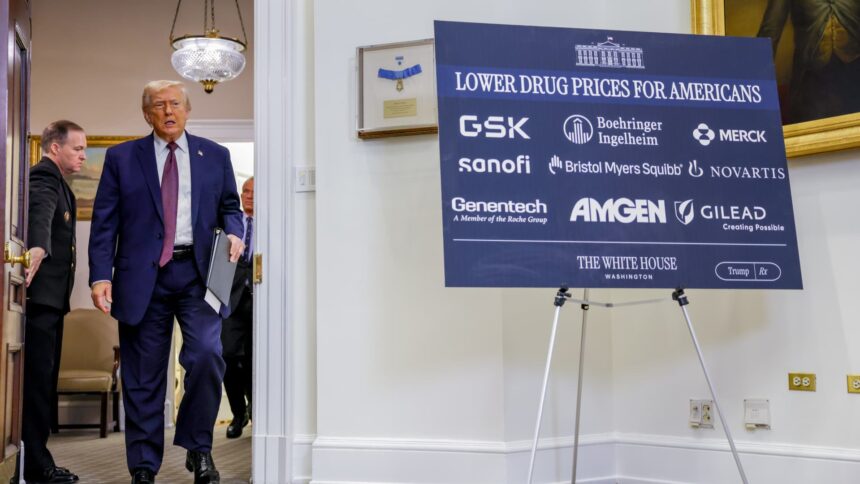
Many industry executives indicated that apprehensions regarding the healthcare policies of President Donald Trump have subsided somewhat. Notably, a significant number of drugmakers concluded 2025 with agreements that reduced drug prices, contributing to a three-year exemption from certain tariffs. Pfizer CEO Albert Bourla affirmed his belief that Trump’s policies would ultimately benefit the sector, despite encountering uncertainties along the way.
In discussing the drug pricing agreements initiated under Trump’s “most-favored-nation” policy, executives indicated a mixed but generally hopeful outlook. These agreements entail tying Medicaid prices to the lowest international prices and providing discounts on direct-to-consumer platforms, including the planned TrumpRx site. Sanofi CEO Paul Hudson commented on the potential impacts of these changes, suggesting that while there will be effects, the company remains committed to delivering a robust long-term strategy.
AstraZeneca’s CFO Aradhana Sarin projected that the pricing adjustments would have limited impact, primarily affecting a specific Medicaid demographic and representing only a minor percentage of global sales. Bourla shared a more assertive stance, suggesting that companies might choose to withdraw from markets that refuse to accept higher prices, leveraging the situation to pressure European nations to revise their drug pricing strategies.
As the industry gears up for impending patent expirations, pharmaceutical firms are increasingly focused on dealmaking as a strategy for revenue generation. With generics poised to bombard the market once patents expire, leading to substantial drops in sales, companies like Merck are striving to broaden their portfolio and minimize losses. Merck’s CEO Rob Davis expressed confidence in offsetting potential losses from the anticipated expiration of the Keytruda patent, forecasting substantial future revenues from incoming products.
On the other hand, Bristol Myers Squibb faces considerable exposure to the loss of exclusivity for products like Eliquis, yet CEO Chris Boerner remains optimistic about the company’s pipeline and prospects. Similarly, Novo Nordisk anticipates challenges with upcoming patent expirations and is preparing to navigate a landscape marked by intensified price competition and pressure from U.S. drug pricing policies.
Concerns were also raised regarding shifts in vaccination policies, particularly under Health and Human Services Secretary Robert F. Kennedy Jr. His views, seen as aligned with vaccine skepticism, have led to rollbacks in recommended immunizations for children, drawing criticism from executives in the pharmaceutical space. Bourla expressed frustration at these changes, emphasizing potential risks to public health, though he maintained that they would not significantly impact Pfizer’s financials.
As the conference concluded, the overarching sentiment among industry leaders was one of cautious optimism. While challenges remain, particularly regarding drug pricing and patent expirations, there is a collective belief that innovative solutions and strategic collaborations will help navigate the evolving healthcare landscape.