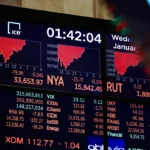
Bitcoin experienced a significant decline over the weekend, hitting a nine-month low as it fell below the $80,000 mark. The cryptocurrency dropped to as low as $75,709, contributing to a broader downturn within the digital asset market, as reported by Bloomberg News. This steep decline resulted in a loss of approximately $111 billion from the total cryptocurrency market capitalization in just 24 hours. During this time, around $1.6 billion in both short and long positions were liquidated, according to market tracker Coinglass.
Analysts suggest that the recent tensions between Israel and Iran could potentially influence Bitcoin’s pricing, although it had previously shown little correlation with the notable declines in gold and silver prices recorded last week. John Todaro, an analyst at Needham, indicated that the current market conditions reflect a stark lack of interest from retail investors, predicting that trading volumes may remain low for at least another quarter or two.
The report also highlighted that legislative delays concerning the crypto market structure have dampened investor enthusiasm. Federal regulators are currently working to develop a clear regulatory framework for cryptocurrencies. A recent event, featuring leaders from the Securities and Exchange Commission (SEC) and the Commodity Futures Trading Commission (CFTC), emphasized the need for clarity in crypto market structures to support responsible innovation. However, attempts to establish specific provisions during a Senate markup, such as banning federal endorsement of digital assets and addressing crypto ATM fraud, were rejected along party lines.
The complexity of the crypto legislation is compounded by the fact that the Senate Agriculture Committee’s proposals represent only part of the broader regulatory landscape. Matters pertaining to securities regulation fall under the jurisdiction of the Senate Banking Committee, necessitating a consolidation of efforts into a comprehensive regulatory package. This reconciliation process will be critical in determining whether bipartisanship can prevail amid prevailing jurisdictional disputes.
Meanwhile, analysts from Citi have remarked that while the proposed CLARITY Act may still be passed this year, there is a growing possibility that its enactment could extend beyond 2026. They identified the definitions surrounding decentralized finance (DeFi) as significant hurdles hindering progress in establishing a coherent crypto market structure. The evolving situation continues to cast uncertainty over the future of cryptocurrency trading and investment.