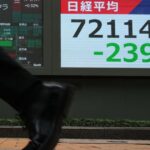
On February 2, a significant collapse in precious metals triggered a sharp decline in global financial markets, with Hong Kong’s major indices facing notable drops. The Hang Seng Index (HSI) experienced a decline of 3.2% at its low point and ultimately closed down 2.23%, losing over 600 points to settle at 26,775. Similarly, the Hang Seng China Enterprises Index (HSCEI) fell by 2.54%, while the Hang Seng Tech Index (HSTECH) witnessed a decline of 3.36%, marking its third consecutive day of losses.
The plunge in gold prices played a significant role in this downturn, with gold falling by $1,000 per ounce at one point, leading to a mass sell-off in non-ferrous metal stocks. During the trading day, auto stocks also struggled, while the declines extended across several sectors, including semiconductor chips, coal, biopharmaceuticals, oil, insurance, and mainland property stocks. However, Macao’s January gaming revenue surpassed expectations, providing a boost to casino stocks amidst the widespread market decline.
Major technology companies felt the heat as stock prices fell across the board. Notable declines were observed in firms such as Bilibili, Baidu, Kuaishou, Alibaba, and NetEase, all dropping more than 4%. Companies like Meituan, JD.com, Xiaomi, and Tencent also ended the day lower. Precious metal stocks plummeted, with Shandong Gold and Chifeng Gold experiencing declines of more than 12%, and other firms like Tongguan Gold and Dragon Resources falling over 8%. The bearish sentiment was amplified by hawkish expectations from the Federal Reserve, which caused a widespread collapse in commodities.
Spot gold fell below $4,450 per ounce, reaching its lowest level since early January, while spot silver plunged more than 15%, dropping below $72 per ounce and erasing a month’s worth of gains within three days of trading. Analysts at Citi indicated that gold valuations had reached extreme levels, suggesting that a decrease in risk aversion could pose significant downside risks for the gold market in the latter half of the year.
Declines were not limited to precious metals, as steel stocks also faced significant downturns. Companies like Angang Steel and Maanshan Iron & Steel dropped more than 7%, with Tiangong International falling over 4%. Semiconductor stocks suffered as well, with prominent players such as Huahong Semiconductor and Zhaoyi Innovation experiencing declines over 9%. These setbacks were partly attributed to tightening order reviews from leading foundries like Samsung, SK Hynix, and Micron, which have begun conducting stricter due diligence on client orders amid concerns about potential market fluctuations.
Mainland property stocks generally fell, with Cifi Holdings Group and Ronshine China seeing drops exceeding 10%. Analysts at BOCI contended that the recent market adjustments were not primarily instigated by the ‘three red lines’ policy affecting real estate developers. They believe that relaxation of these constraints would not materially affect the current market conditions, deeming the recent adjustments an overreaction.
Oil stocks continued to struggle, with Sinopec Shanghai Petrochemical and CNOOC experiencing notable declines. Reports suggesting potential negotiations between the U.S. and Iran reduced fears of supply disruptions, resulting in a significant drop in international oil prices. Analysts cautioned that if geopolitical risks dissipate alongside weak fundamentals, oil prices may encounter further pressures.
In contrast, gains were noted in the casino sector, with Sands China increasing more than 4% following data that indicated Macao’s gaming revenue in January reached MOP 22.63 billion, a 24% year-on-year increase that surpassed expectations. The robust performance was bolstered by rising spending from high-end gamblers, aided by strategic marketing initiatives and promotional events.
Today, there was a reported net inflow of HKD 1.907 billion in southbound capital, including substantial inflows via the Shanghai-Hong Kong Stock Connect.
Looking ahead, analysts from Morgan Stanley foresee that rising geopolitical uncertainties globally may enhance the appeal of Chinese assets, predicting the Hong Kong market could become a favored destination for investors. With reasonable valuations and abundant investment opportunities, it is believed that Hong Kong stocks may outperform their A-share counterparts in the short term, contingent upon a quick resolution to global volatility.