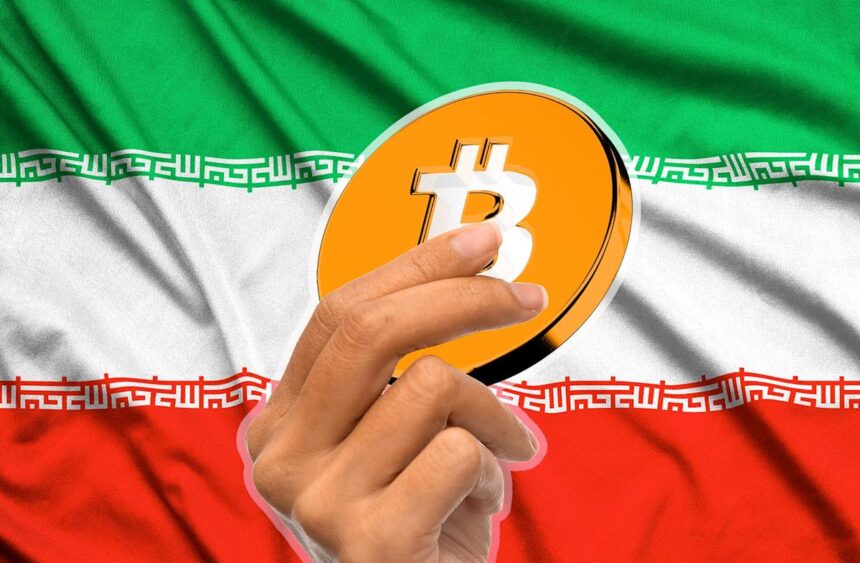
Bitcoin’s price saw a significant dip on Thursday as geopolitical tensions in the Middle East escalated, raising concerns over a potential energy crisis. The catalyst for this turmoil was Iran’s attack on Qatar’s primary gas facility, Ras Laffan, which has resulted in billions of dollars in damages. This incident unfolded shortly after the Federal Reserve’s announcement on Wednesday, which stifled investor optimism regarding anticipated interest rate cuts later this year.
David Lawant, the head of research at Anchorage Digital, commented on the situation, stating, “We’re seeing a double-whammy for risk assets. Crypto isn’t immune to these macro headwinds.” Bitcoin’s value plummeted to below $69,000 per coin but experienced a slight recovery, with recent data from CoinGecko indicating a price of $70,473, reflecting a 1% decrease over the previous 24 hours.
Market analysts had warned that the ongoing conflict involving Iran could adversely affect the price of Bitcoin and other major cryptocurrencies. Previously, Bitcoin had shown resilience, rising despite a downturn in other risk-sensitive assets, indicating a temporary “decoupling” from the stock market. However, the renewed conflict appears to have reignited pressures on the cryptocurrency.
Matt Howells-Barby, VP of growth at Kraken, noted in an investor memo that the escalation of tensions in Iran had significantly driven up oil prices. He suggested that if these prices remain high, they could hinder economic growth, further impacting Bitcoin. Howells-Barby indicated the possibility of Bitcoin trading as low as $65,000 in the coming weeks if it fails to maintain a foothold above the $69,000 mark.
Adding to the tension, Sebastián Serrano, CEO of Argentinian crypto exchange Ripio, expressed that a drop below $54,000 could become realistic if the selloff on Bitcoin persists. He observed that market responses often originate from events outside the cryptocurrency ecosystem, drawing parallels to previous scenarios where external factors influenced crypto dynamics, specifically highlighting the impacts of conflicts that elevate oil prices and heighten inflationary fears.
Iran’s military spokesman recently warned that global oil prices could potentially double amidst the ongoing war, prompting concerns among analysts about uncontrollable oil inflation. On the same day, JP Morgan Chase revised its S&P 500 forecasts, indicating heightened recession risks associated with potential oil shocks.
Recent military actions, including Israel’s attack on Iran’s South Pars gasfield and Iran’s subsequent strike on Qatar’s gas facility, have led market watchers to predict further inflationary trends. This anticipated inflation diminishes the likelihood of interest rate cuts, which are crucial for maintaining the liquidity necessary for Bitcoin’s price to rise.