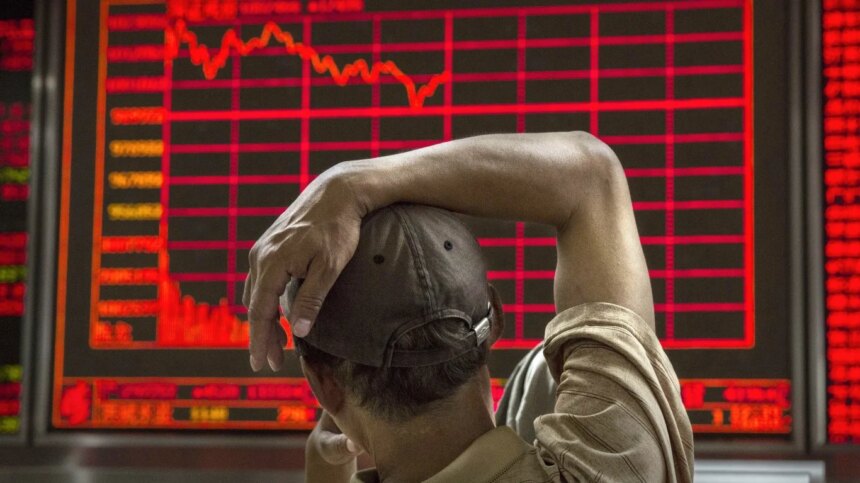
According to a recent analysis by Goldman Sachs, the current market pullback could intensify as geopolitical tensions continue. The firm expressed concerns that equities have not adequately considered the risks associated with a potentially protracted geopolitical shock, saying, “While geopolitical shocks and their market impacts are difficult to time, we think equities have not priced in enough risk premium for the risk of a more lasting shock.” They added that the protective role of bonds may also be limited under the prevailing circumstances.
As a result of these factors, markets are experiencing significant declines. The S&P 500 has dropped 0.38%, translating to a loss of 25 points, while the SPDR S&P 500 ETF (SPY) has seen a decrease of 0.57%, losing $3.77. Other indices are similarly affected: the Dow Jones Industrial Average has fallen by 0.3%, or 148 points, and the Nasdaq has declined 0.52%, by 130 points. In contrast, commodities like gold have seen a price increase, up by $64 to $4,667, and Bitcoin has risen by approximately $782 to reach $70,704.
In the context of ongoing tensions, Israeli officials have indicated that Iran may have lost its capability to enrich uranium and produce ballistic missiles. This development could lead to a quicker resolution of the conflict, potentially allowing for the reopening of the Strait of Hormuz, which could, in turn, stabilize oil prices and provide some much-needed support to the markets. However, for now, it remains a situation of uncertainty and observation.
HSBC analysts have noted that markets seem to be factoring in a recession. Despite the grim outlook, they see some “dislocations” in the equity landscape that may present buying opportunities, particularly in markets like Korea, South Africa, and Indonesia, which are less exposed to surging oil prices. HSBC’s recent models indicate an increased probability of recession—up to 35% from a mere 10% just two weeks ago—though the likelihood of stagflation remains stable at 8%. For investors looking at specific ETFs, the iShares MSCI South Africa ETF (EZA) and the iShares MSCI Indonesia ETF (EIDO) are recommended, along with the iShares MSCI South Korea ETF (EWY), which is already beginning to show signs of recovery.
In stock-specific news, Chevron (NYSE: CVX) has seen its share price rise sharply this year, climbing from about $150 to a recent peak of $201.44. Analysts from HSBC recently upgraded Chevron to a “buy” status with a new price target of $215, citing that the company’s lower reliance on Middle Eastern oil compared to Exxon positions it favorably given the ongoing conflict.
In another notable market move, shares of FedEx (NYSE: FDX) surged by $26 in premarket trading following a strong earnings report and optimistic guidance. The company reported earnings per share of $5.25, exceeding expectations by $1.12, alongside a revenue figure of $24 billion—an 8.1% year-over-year increase that surpassed forecasts by $520 million. FedEx projects continued revenue growth of 6.0% to 6.5% and an EPS between $19.30 and $20.10, indicating a healthy outlook moving forward. CFO John Dietrich expressed confidence in the company’s ability to generate strong free cash flow and enhance shareholder value in both the near and long term.