In his annual letter to shareholders, Jamie Dimon, CEO of JPMorgan Chase, underscores the importance of understanding global economic trends and geopolitical risks in today’s investment landscape. Dimon’s insights are not limited to those who own shares in his bank; they offer valuable guidance for all investors.
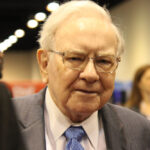
This year, Dimon draws parallels to a cautionary statement made by esteemed investor Warren Buffett approximately 26 years ago, emphasizing the potential pitfalls of current market conditions reminiscent of the late 1990s dot-com boom. Both leaders express concern over the elevated valuations of the S&P 500, signaling a need for careful consideration amidst the apparent similarities.
Buffett, in a Fortune magazine article from November 1999, highlighted that interest rates significantly influence investment outcomes, stating, “These act on financial valuations the way gravity acts on matter.” He elaborated that as rates rise, they exert a downward pressure on asset prices. During that time, although interest rates were climbing, so too were investors’ earnings expectations, prompting Buffett’s warning: considerable rate reductions would be needed for those expectations to materialize.
In a similar vein, Dimon warns today about inflation’s potential impact on investment strategies. He articulates that inflation poses a greater concern than mere recession fears, suggesting that persistent inflation could drive interest rates even higher. Dimon reiterates Buffett’s notion that interest rates function as a gravitational force for asset prices, asserting, “Interest rates are like gravity to almost all asset prices.”
The rationale behind this relationship remains constant: when interest rates increase, investors can achieve greater returns via risk-free Treasury bonds. This dynamic influences the expected returns on riskier assets, such as stocks. If corporate earnings don’t rise in tandem with increasing expectations, the only recourse is to lower stock purchase prices.
The market dynamics of 2022 illustrated these principles vividly. As the Federal Reserve elevated interest rates, stock prices plummeted, prompting a bear market that was compounded by declining bond values as well. Dimon cautions that rising inflation could be an unwelcome surprise, potentially leading to higher interest rates than currently anticipated.
Recent inflation data indicate a resurgence, with the Core Personal Consumption Expenditures Price Index reflecting a 3% year-over-year increase as of February, showing resilience even after efforts to subdue inflation. Further complicating the landscape, conflicts such as the war in Iran threaten to exacerbate inflationary pressures. The Consumer Price Index reported a 3.3% rise as energy prices surged due to the conflict.
Federal Reserve Chair Jerome Powell acknowledged rising inflation expectations during a recent meeting, with forecasts indicating a median projection of 2.7% for 2026. Expectations for rate cuts have diminished significantly, with futures traders now predicting rates to stabilize rather than decrease.
Despite market volatility amid geopolitical tensions, prices and valuations have remained relatively high. While a repeat of the market collapse experienced in the late ’90s seems unlikely, investors are encouraged to evaluate the influence of interest rates on long-term returns and seek value in a challenging market.
As investors contemplate their next moves, alternatives to the S&P 500 Index may be worth exploration, with analysts identifying distinct opportunities that hold the potential for substantial returns in the coming years. The complexity of the current economic landscape serves as a reminder of the critical importance of informed decision-making in investment strategies.