In an intriguing twist in the tech world, Anthropic’s new AI model, Claude Mythos Preview, is garnering attention as it could potentially revolutionize cybersecurity. The model has sparked concern among various governments, particularly in the UK, which is racing to address the vulnerabilities that the model has exposed. European cybersecurity agencies are also scrambling to study the model, but have encountered hurdles in securing access to it.
In the U.S., the situation surrounding Anthropic is more convoluted. Dario Amodei, the CEO of Anthropic, engaged with high-level officials at the White House, including chief of staff Susie Wiles and National Cyber Director Sean Cairncross. The meeting, reported by Politico, focused on fostering collaboration and developing strategies that balance technological innovation with safety measures. This indicates a potential willingness from the White House to build a business relationship with Anthropic, acknowledging the critical role AI is playing in modern industry.
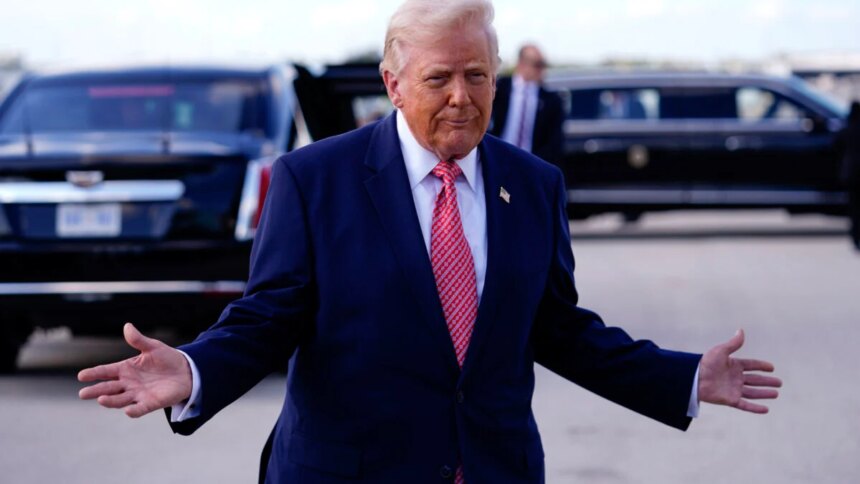
However, when former President Trump touched down in Phoenix, he appeared unaware of Anthropic’s significance. During a press scrum, when queried about the recent White House meeting, Trump responded with confusion, indicating he did not recognize the name of the company—a stark contrast to his administration’s tumultuous history with the AI firm.
The Trump administration’s relationship with Anthropic has been fraught with tension, particularly following a confrontation between the U.S. Department of Defense and the company. Allegations of dishonesty were made against Amodei, and a controversial “supply chain risk” designation was imposed, preventing any firms working with the Pentagon from partnering with Anthropic. This unprecedented move has raised concerns about its potential impact on Anthropic’s business operations; litigation over the designation continues, and although a temporary suspension was granted, it was reinstated earlier this month.
Anthropic currently leads the AI sector, despite not matching the valuation of competitors like OpenAI. The firm’s ability to project the potential dangers of its technology contributes to its prominence, drawing both admiration and apprehension from global entities. Amidst this, Trump finds himself with competing narratives—his administration publicly distancing itself from Anthropic while privately recognizing the importance of AI in the U.S. economy.
The backdrop of Trump’s foreign policy concerns, particularly the ongoing situation in Iran, adds further complexity to his administration’s handling of the AI landscape. With growing international unease regarding Anthropic’s capabilities, the intersection of politics and technology continues to evolve, leaving many questions unanswered and the future of AI alliances uncertain.