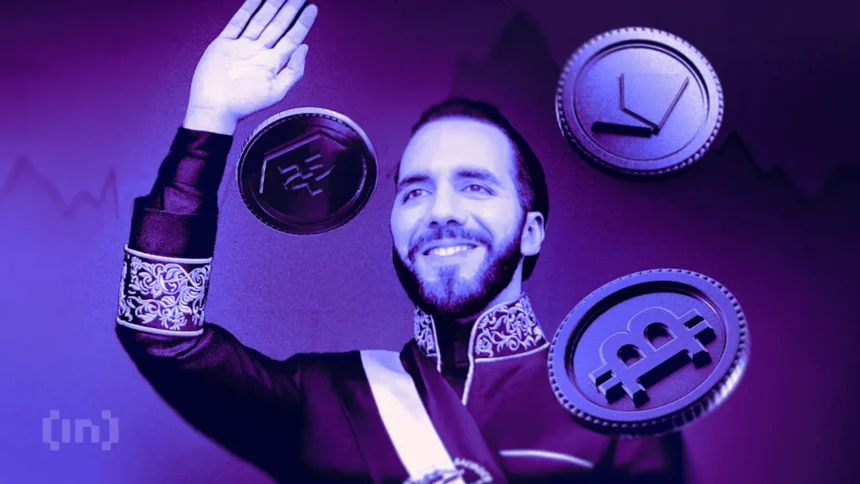
In a notable global approval rating, El Salvador’s President Nayib Bukele has achieved an unprecedented 94% approval, significantly outpacing other world leaders. This ranking assesses the popularity of 26 heads of state and marks Bukele’s remarkable standing, particularly in relation to his administration’s groundbreaking embrace of Bitcoin.
El Salvador made headlines in 2021 by becoming the first nation to recognize Bitcoin as legal tender, a move that has drawn both interest and scrutiny within the cryptocurrency community. Since this landmark decision, Bukele’s government has consistently bought about one Bitcoin daily, contributing to a national reserve that has grown to over 7,600 BTC. This steadfast commitment to Bitcoin ownership has positioned El Salvador as a leader in the sovereign adoption of cryptocurrency.
However, recent polls suggest that Bukele’s high approval ratings are primarily driven by his tough stance on gang violence rather than the Bitcoin initiative itself. A recent CID Gallup survey indicated that only 2.2% of respondents viewed Bitcoin as Bukele’s biggest failure, suggesting that security issues remain a more pressing concern for Salvadorans.
In comparison, other global leaders are adopting various approaches to cryptocurrency. South Korea’s Lee Jae-myung ranks with a 63% approval rating and has declared crypto a national priority, with plans for spot Bitcoin ETFs and a won-pegged stablecoin by 2026. Argentina’s Javier Milei, boasting a 48% approval rating, has also championed Bitcoin deregulation; however, his credibility took a hit after promoting the now-collapsed LIBRA meme coin, which resulted in significant losses for investors.
Former U.S. President Donald Trump, with a 38% approval rating, took steps to establish a U.S. Strategic Bitcoin Reserve via an executive order, aiming to leverage seized coins to position the country as a future “Bitcoin superpower.”
While many leaders maintain traditional regulatory frameworks concerning cryptocurrency, with several European Union heads advocating for stringent oversight through the MiCA regulation, the approval ratings indicate that assertive pro-Bitcoin policies may not negatively impact political support. Instead, it appears that voters are more focused on security, economic stability, and immediate concerns than on digital currency initiatives.
In this rapidly evolving landscape, Bukele stands out not only for his bold moves in cryptocurrency but also for managing to secure the loyalty of his constituents amidst persistent challenges.