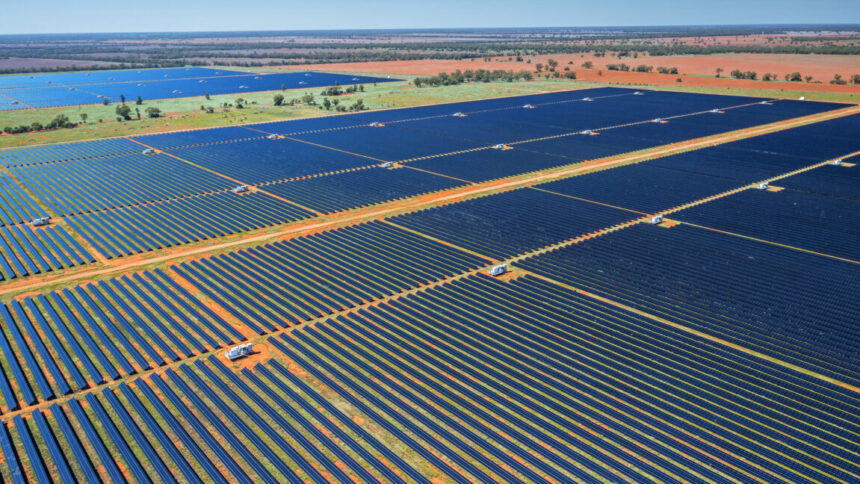
The global energy landscape is undergoing a significant transformation as solar power emerges as a leading force in electricity generation. According to the International Energy Agency (IEA), 2025 marked a record-breaking year for solar photovoltaic (PV) generation, achieving the largest absolute increase of any energy source, excluding years following global economic disruptions like the COVID-19 pandemic. This remarkable growth comes at a time when there were no specific drivers influencing energy markets, highlighting solar power’s pivotal role in meeting elevated energy demands.
In 2025, solar generation alone accounted for more than 2,700 terawatt-hours, more than doubling its output compared to just three years prior. This surge now positions solar energy as a crucial player in global electricity production, comprising over 8 percent of the total. Notably, thirty countries each pioneered the installation of at least one gigawatt of solar capacity, solidifying solar as the most significant grid source by capacity, although traditional energy sources still exceed it in terms of overall production.
This solar expansion is not just a matter of increasing capacity; it plays a critical role in the broader context of carbon-free energy generation. Renewables—including hydro, nuclear, wind, and solar—grew at a pace greater than demand in 2025, effectively meeting the surge in electrification without an increase in carbon emissions. Impressively, renewable sources accounted for nearly 60 percent of the overall growth in energy demand across all sectors.
Complementing this solar boom is a key technological advancement in energy storage. The deployment of batteries has soared, with capacity additions witnessing a staggering 40 percent rise between 2024 and 2025, resulting in a total of 110 gigawatts of new capacity added in the last year. This growth far surpassed the highest one-year increment in natural gas capacity, underscoring the significant advancements in battery technology over the past five years. The integration of efficient battery systems with affordable solar energy is paving the way for reduced reliance on fossil fuel-powered backup systems.
While solar energy thrives, fossil fuel usage presents a more mixed picture. Natural gas consumption saw a modest increase of about 1 percent, largely attributed to rising heating demands linked to weather patterns. Coal usage remained stable, with a slight rise of only 0.4 percent. In the United States, there was a slight uptick in coal use, but in the European Union, coal’s contribution to electricity production fell below 10 percent for the first time since records began. In contrast, China, despite commissioning numerous coal plants, experienced a reduction in coal usage due to its substantial investments in renewable energy, responsible for an astonishing 60 percent of global growth in renewables last year.
This multifaceted evolution in energy production underscores the increasing reliance on solar power and other renewables, painting a hopeful picture for a future bolstered by clean energy solutions. As technology continues to advance and policy frameworks evolve, the transition toward a solar-dominated grid seems not only feasible but inevitable.