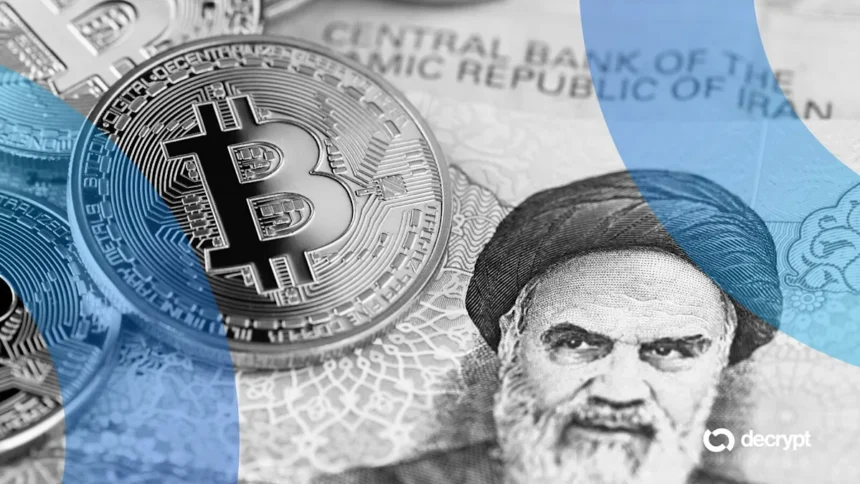
Scammers impersonating Iranian authorities are reportedly targeting shipping companies with fraudulent payment demands. These demands are to be made using cryptocurrencies such as Bitcoin and Tether’s USDT stablecoin, under the pretense of ensuring safe passage through the strategically significant Strait of Hormuz.
The warning was issued on Monday by the Greek maritime risk firm MARISKS, which alerted that unknown actors have sent messages to shipping companies, asking for cryptocurrency payments in exchange for transit clearance through the strait, an area that has become increasingly tense amid escalating conflicts between Iran and the United States. In their message, the scammers stated, “After providing the documents and assessing your eligibility by the Iranian Security Services, we will be able to determine the fee to be paid in cryptocurrency (BTC or USDT). Only then will your vessel be able to transit the strait unimpeded at the pre-agreed time.”
Interestingly, MARISKS indicated that at least one vessel, which was reportedly fired upon by Iranian boats while attempting to exit the strait, may have already made payments to these fraudulent entities. This raises significant concerns about the real risks involved in navigating this volatile region.
The alert follows a recent move by Iranian officials who announced the implementation of toll payments in Bitcoin to ensure that fees could not be traced or seized due to international sanctions. However, the practicality and effectiveness of Iran’s proposed cryptocurrency toll system are still in question. Days after the announcement, blockchain forensics firm TRM Labs noted that there was no evidence on the blockchain to show that cryptocurrencies were being used for transit fees in the Strait of Hormuz.
Experts warn that actors linked to Iran have a documented history of using cryptocurrency to bypass traditional financial regulations. Isabella Chase, head of policy at TRM Labs, emphasized that any wallet addresses associated with these cryptocurrency demands should be regarded as high-risk without independent verification through blockchain analysis. Additionally, unwittingly making payments to sanctioned entities can expose shipping companies to significant legal liability under US Office of Foreign Assets Control (OFAC) regulations. Chase advised these companies to conduct thorough blockchain intelligence checks on any wallet before transferring funds and to seek guidance from sanctions experts before proceeding with any payment requests.
At present, tanker traffic through the Strait of Hormuz remains dramatically reduced, with levels below 5% of pre-war volumes. Following recent restrictions imposed by Iran, users on prediction market Polymarket estimate only a 28% chance that shipping will return to normal levels within a month, while users on Myriad project a more optimistic 64% chance of increased transit activity.
Concerns are further amplified by the fact that engaging in transactions, whether with genuine Iranian entities or not, could still indicate intent to interact with a sanctioned regime. Xue Yin Peh from Chainalysis highlighted that if any payments reach the Iranian government or individuals acting on its behalf, it could constitute sanctions violations under various international regulations. Moreover, simply paying a scammer instead of authentic Iranian authorities does not automatically negate exposure to potential sanctions. Regulatory bodies may scrutinize the intent behind the payment, complicating the situation for the shipping company.
In light of the scant public information regarding Iran’s management of crypto toll payments, experts recommend adopting standard anti-scam strategies. These include verifying payment demands through official channels, consulting maritime security advisors, and treating any urgent payment requests with caution.