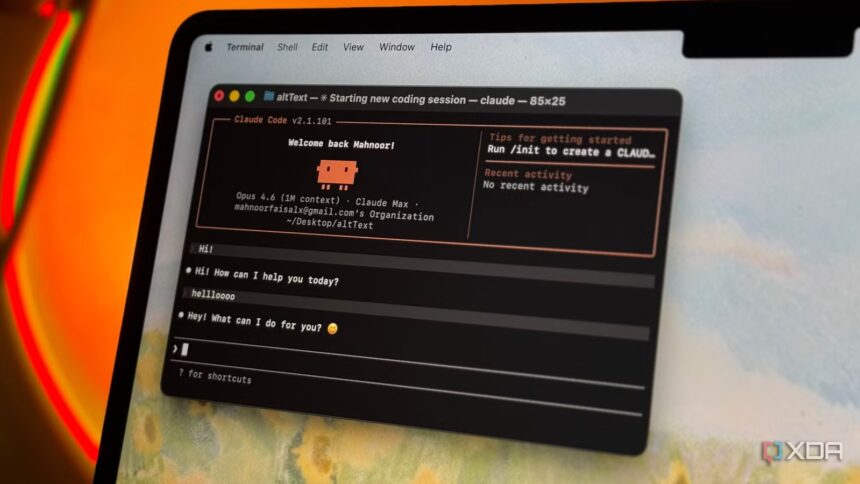
Users of Claude Code reported a noticeable decrease in performance over the past month, prompting Anthropic to address multiple issues that impacted the AI’s functionality. The company recently released a blog post outlining three significant problems and the steps taken to resolve them.
The decline in performance began on March 4, when Anthropic adjusted Claude Code’s default reasoning effort from “high” to “medium” in response to user complaints about delays. Many users felt that their sessions were sluggish, leading them to believe that the app had frozen. The company ultimately reverted this change back to “high” on April 7, acknowledging that users preferred maintaining the higher effort level for quicker responses and the flexibility to reduce effort when necessary.
Another issue arose on March 26, when a new tweak implemented in Sonnet 4.6 and Opus 4.6 led to unintended consequences. Anthropic had intended to limit the memory used by Claude during idle sessions. However, a bug caused the AI to forget previous conversations after every turn, resulting in repeated phrases and a lack of coherence. This problem was addressed on April 10.
The final concern was related to verbosity. On April 16, a system prompt was introduced to restrict the length of responses and keep interactions more concise. The parameters specified that text between tool calls should be limited to 25 words, and final responses to no more than 100 words unless the task necessitated more detail. Unfortunately, this adjustment negatively impacted the quality of coding outputs, leading Anthropic to revert this change by April 20.
Following these fixes, Claude Code is reported to be operating at its expected performance levels once again. Users can now anticipate more accurate and coherent interactions as the underlying issues have been resolved.