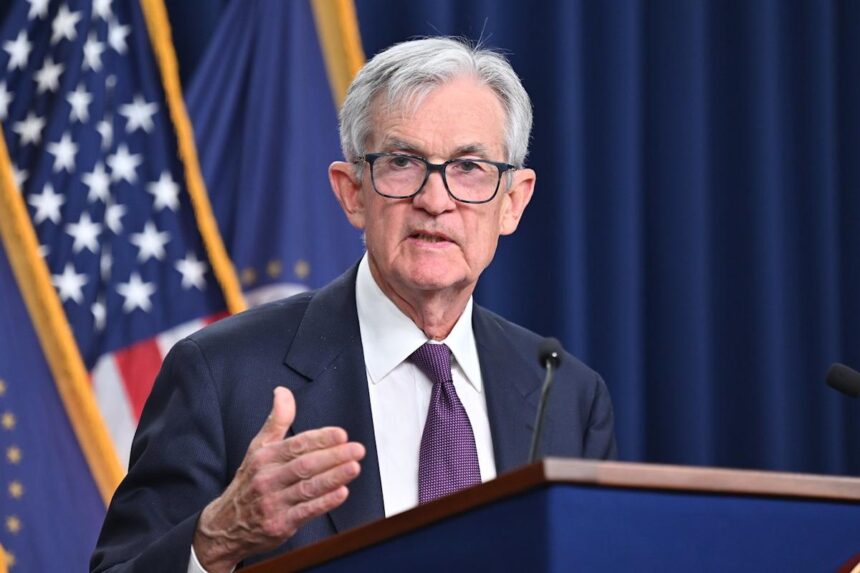
Investors are closely watching developments in the Federal Reserve as a significant transition approaches. Jerome Powell’s term as Fed chair is set to conclude on May 15, potentially paving the way for Kevin Warsh to take the helm. This shift is seen as pivotal, especially considering Warsh’s previous stance on interest rates during his time on the Federal Open Market Committee (FOMC).
Since his nomination by former President Donald Trump, Warsh has been perceived as a candidate likely to lean toward a more hawkish monetary policy compared to Powell. Trump’s ongoing criticism of Powell’s handling of interest rates has shaped the narrative surrounding Warsh’s ascendance. The expectation from Wall Street and Trump is for the new leadership to implement aggressive interest rate cuts, potentially reducing rates to 1% or lower.
However, analysts caution that history suggests Warsh may adopt a different course. Between 2006 and 2011, as a voting member of the FOMC, Warsh advocated for higher interest rates even amid rising unemployment during the Great Recession. His hawkish tendencies, coupled with his critical views on the Fed’s expansive balance sheet, raise questions among investors.
Warsh has called for a reduction of the Fed’s assets, which peaked during the pandemic period, pointing to a strategy that would likely result in higher lending rates. This contradicts the rate-easing approach that many traders have anticipated. Selling off long-term Treasuries and mortgage-backed securities could exert upward pressure on yields, impacting borrowing costs and overall economic activity.
The current economic landscape adds another layer of uncertainty. The recent escalation of military actions in Iran has led to significant disruptions in oil supply, driving energy prices higher. This inflationary pressure has already influenced the U.S. inflation rate, which saw a sharp increase from 2.4% in February to 3.3% by March. Such energy shocks are not typically short-lived, and analysts suggest that the repercussions may linger long after the initial conflict subsides.
Historically, oil price spikes have correlated with market corrections, and many are concerned about how these developments may influence the future of major indices like the Dow Jones Industrial Average, S&P 500, and Nasdaq Composite. With Warsh’s hawkish track record and the geopolitical tensions surrounding oil supplies, the Federal Reserve’s potential response to inflation may lead to a dramatic shift in monetary policy, contradicting the expectations of further rate cuts.
As the date for this transition approaches, many market participants find themselves navigating a precarious situation where the expected direction of interest rates and the stability of key markets hang in the balance. Investors hoping for continued low rates may need to recalibrate their strategies in anticipation of Warsh’s leadership.
In light of the impending changes, it is crucial for investors to consider alternative investment opportunities beyond traditional indices, as historical precedents suggest that market dynamics could evolve rapidly in response to policy shifts and geopolitical developments.