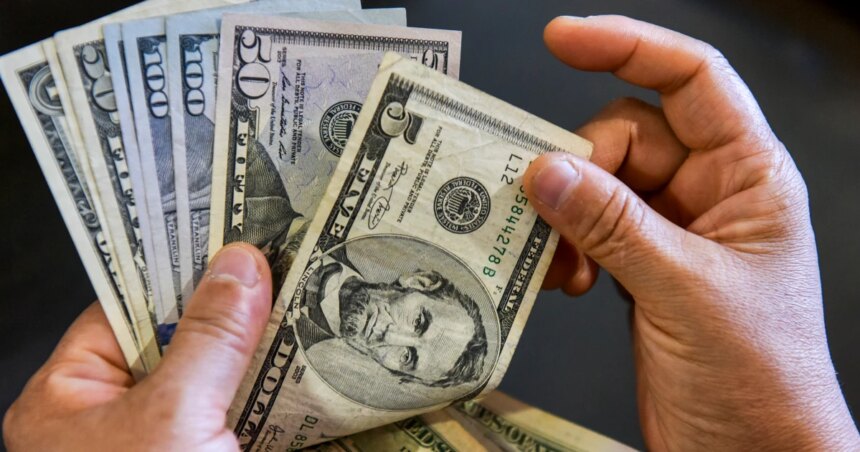
A significant, yet often overlooked, factor is subtly influencing the prices of everyday goods and services in the United States: the declining value of the U.S. dollar. This worrisome trend has seen the dollar retreat by approximately 10% against other major currencies since the start of President Donald Trump’s administration. This depreciation not only has implications for the economy, but it also directly affects consumers’ purchasing power, creating a sort of “hidden tax” on their wallets, as noted by economist Thomas Savidge from the American Institute for Economic Research.
The U.S. Dollar Index, which tracks the dollar’s value against a basket of major currencies, recorded its most significant drop in over half a century in early 2025. Though the decline has stabilized, the index remains roughly 10% lower than at the beginning of Trump’s term, raising concerns about affordability among Americans. A strong dollar typically makes imports less expensive and helps control inflation, while a weaker dollar tends to raise prices for foreign goods, although it can benefit American exports.
Despite the general preference for a robust dollar voiced by previous U.S. administrations, Trump’s stance on the matter diverges from the norm. He has articulated the notion that a weaker dollar may be advantageous for American industries, stating, “You make a hell of a lot more money with a weaker dollar.” This perspective has resonated with some large corporations, which have reported positive financial impacts attributed to the weaker dollar, citing “favorable currency impacts” during their earnings calls.
Companies like Philip Morris and Coca-Cola have noted how a weaker dollar favors their operations abroad, enhancing profitability from international sales. For instance, Elie Maalouf, CEO of InterContinental Hotels, described the situation as “not unhelpful,” as they reported increased revenues thanks, in part, to currency fluctuations.
However, smaller businesses, especially those that primarily sell domestically, are feeling the pinch. Travis Madeira, a lobsterman whose company largely sells to American consumers, has experienced rising costs for imported bait and Canadian lobsters due to the dollar’s decline. He highlighted that exporters benefit from a weaker dollar, placing domestic businesses at a disadvantage.
For companies like Gentell, which manufactures medical supplies in various countries, the weaker dollar has led to increased costs globally, prompting some price hikes. CEO David Navazio remarked on the combined pressures from currency fluctuations, tariffs, and rising fuel costs, stating, “A year ago, none of these were concerns, and it always hurts the consumer.”
American consumers are likely to notice the dollar’s decline most conspicuously while traveling abroad or purchasing items from international sellers. Traveling to Mexico, for example, reveals that the dollar’s value is about 16% weaker against the peso compared to early 2025, while similar declines are seen against other currencies like the Swiss franc and the Euro. When it comes to imported goods, economists estimate that only about 5% to 10% of a currency drop is typically transferred to consumers, but this added financial strain compounds existing pressures from rising prices.
One consumer staple experiencing a notable increase in price is coffee, which has risen nearly 19% in the past year. Brazil, the largest source of coffee for the U.S., has seen a 13% drop in dollar value against its currency, illustrating how fluctuations in the currency can contribute to escalating prices.
As these currency values continuously shift, the recent depreciation of the dollar is substantial, though past administrations have witnessed even lower dollar values. Harvard economist Kenneth Rogoff suggests that while current policies may negatively affect the dollar, its decline is likely a broader trend influenced by market dynamics, suggesting that the dollar could fall further in the coming years, further affecting commodity prices. He emphasized the inevitability of price increases, particularly with the impact of geopolitical tensions like the ongoing war in Iran.