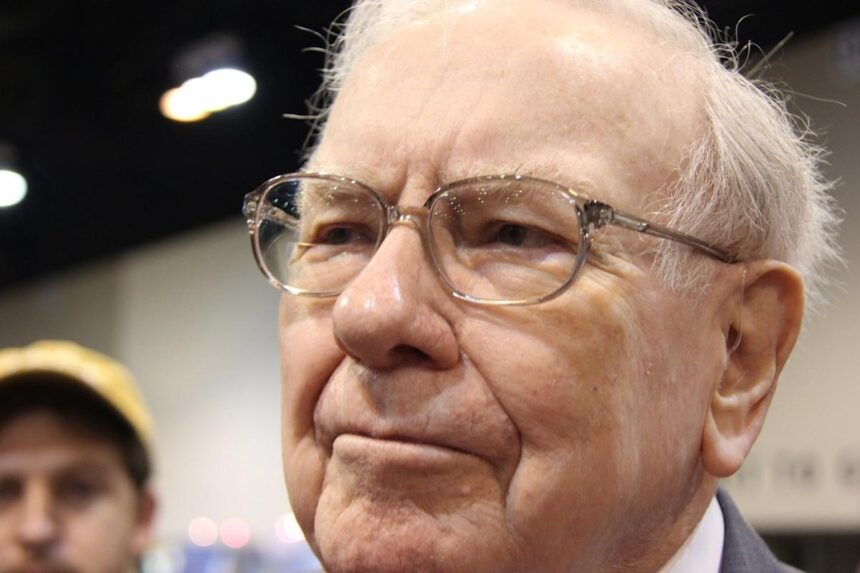
For decades, Berkshire Hathaway’s annual shareholder meeting has served as a key event for investors, providing insights into the company’s strategy and performance. This year, however, marked a significant transition in leadership, as longtime CEO Warren Buffett handed over the reins to his protégé, Greg Abel, at the end of the previous year. While Buffett remains in a leadership role as chair of the board, the responsibility for the company’s $327 billion investment portfolio and the annual meeting now rests with Abel.
Abel’s leadership comes amidst evolving dynamics within Berkshire’s investment strategies. On the day of the annual meeting, the company released its first-quarter operating results, which hinted at changes in the company’s investment posture. Investors observing Berkshire’s activities closely, particularly through the crucial Form 13F filings that institutional investors are required to submit, may take note of potential shifts in strategy regarding certain holdings.
One of the notable trends observed in Berkshire’s quarterly results was a decline in its cost basis in the “Banks, insurance, and finance” segment, falling from approximately $15.454 billion to $14.685 billion. This reduction could indicate a significant change in the firm’s investment in financial stocks, particularly Bank of America (BAC), which has historically been a major part of Berkshire’s portfolio.
Former CEO Buffett had been a consistent seller of Bank of America shares for six consecutive quarters prior to retirement, a move that could suggest Abel may have continued on this path. Buffett’s sales included a staggering 50% reduction of Berkshire’s stake in the bank since mid-July 2024. Given this precedent, it would be reasonable for investors to speculate that there may be further reductions in the upcoming 13F filing.
Additionally, there are market dynamics contributing to potential adjustments in Berkshire’s investment in Bank of America. Buffett had initially capitalized on a significant discount when acquiring Bank of America shares in 2011, which were then trading at a 62% discount to book value. However, as of the close of 2025, shares were trading at a 43% premium to their book value. This shift in valuation might not align with the disciplined investment philosophy that both Buffett and Abel adhere to, which emphasizes acquiring undervalued assets.
As discussions around investment strategies continue, prospective investors in Bank of America might exercise caution. Analysts have suggested that other investment opportunities may yield better returns compared to BofA under current market conditions. Reports from investment advisory platforms highlight alternative stocks that could provide significant returns, underscoring that Bank of America might not currently be the top choice for investors seeking high growth potential.
As Berkshire Hathaway navigates this leadership transition, the investment community will be closely watching how Greg Abel implements changes in strategy and whether he maintains the legacy approach championed by Buffett. The upcoming Form 13F filings will offer deeper insights into the investments being pursued by Abel and his team as they craft a future direction for one of the most closely watched companies on Wall Street.