The Food and Drug Administration (FDA) has granted authorization for Los Angeles-based Glas Inc. to market mango and blueberry-flavored vape products, representing a significant shift from previous administration policies. This decision aligns with the FDA’s approval of Glas’s other flavored offerings, including Classic Menthol and Fresh Menthol, all containing 5% tobacco-derived nicotine.
The authorization comes in stark contrast to the Biden administration’s approach, which previously led to the rejection of over 26 million applications for flavored vape products aimed at reducing youth access to such items. The Supreme Court affirmed the FDA’s power to deny authorizations for products perceived to appeal to children, following lawsuits from vape manufacturers who argue that these products serve as less harmful alternatives for adult smokers seeking to quit cigarettes.
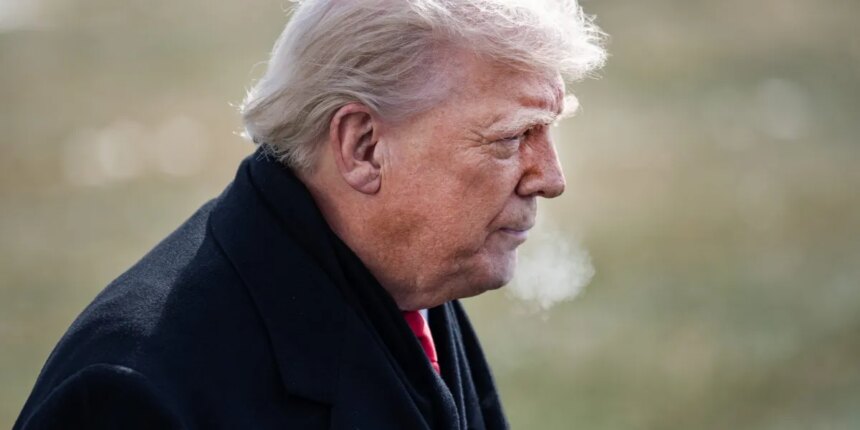
Reports indicate that former President Donald Trump actively lobbied FDA Commissioner Dr. Marty Makary to expedite the authorization of these flavored products, expressing urgency about addressing his political base’s sentiments regarding vaping. Trump’s previous policies included a proposal to ban flavored vapes, emphasizing concerns over youth health.
In a statement to Fortune, White House spokesperson Kush Desai defended the Trump administration’s stance, suggesting that it prioritizes “Gold Standard Science” and evidence-based decisions contrary to those of the Biden administration.
As part of the FDA’s approval, Glas Inc. implemented measures that require online buyers to verify their identities through government-issued IDs and smartphones, aiming to restrict access to customers under 21. These measures are part of the FDA’s rationale for believing that the products can be kept away from younger audiences.
This decision has reignited debates surrounding public health and safety, especially considering the historical context in which the Trump administration had initially taken steps to reduce youth vaping rates. According to studies, various campaigns during Trump’s first term reportedly succeeded in preventing nearly 450,000 youth from smoking.
The recent FDA authorization has drawn criticism from anti-smoking organizations. Kelsey Romeo-Stuppy from Action on Smoking and Health expressed disappointment, citing concerns that flavored products target vulnerable demographics, potentially leading to long-term addiction. Similarly, Kathy Crosby, CEO of the Truth Initiative, stressed the FDA’s commitment to monitoring the impact of these products and ensuring that public health standards are upheld.
Both advocates and critics recognize the complexity of balancing adult smoking cessation needs against the risks posed to youth, highlighting the need for vigilant oversight regarding the marketing and distribution of these newly authorized vape products.