Gas prices have surged recently, transforming a geopolitical standoff into a pressing economic issue for average Americans. Over the past two weeks, escalating oil prices have reignited inflation fears, heightening concerns over potential disruptions in the Middle East that could impact the economy just months before the midterm elections.
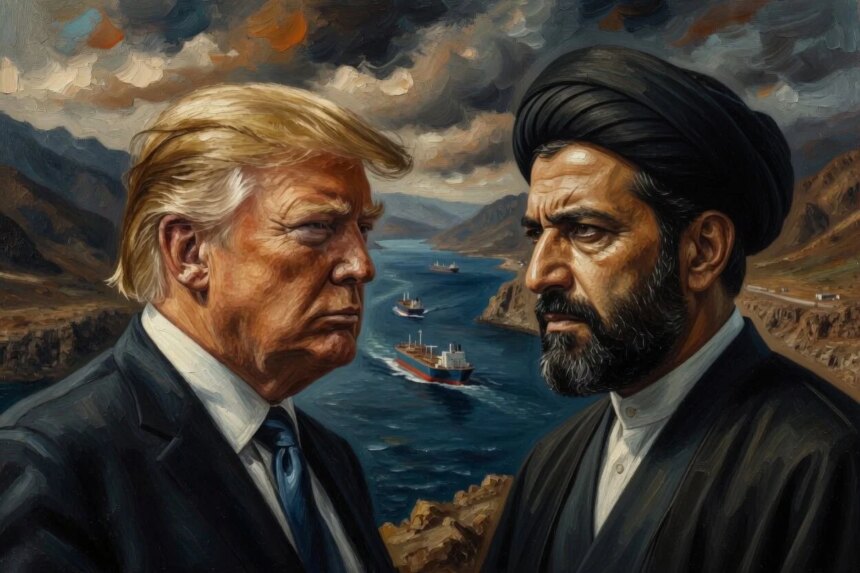
However, the dynamics shifted dramatically early Wednesday morning when President Donald Trump announced via Truth Social that he would temporarily pause “Project Freedom,” the U.S. operation intended to escort tankers through the vital Strait of Hormuz. This decision aims to facilitate negotiations with Iran.
The stock market responded positively to this announcement, with Wall Street witnessing a significant rise in premarket trading as investors reassessed the possibility of a prolonged oil crisis. Additionally, a fresh wave of optimistic earnings reports from AI companies helped affirm that corporate America continues to thrive despite inflation and trade uncertainties.
Gas prices had become a critical concern. As reported by AAA, the national average for regular gasoline rose to $4.536 per gallon on Wednesday, a 1.2% increase from the previous day and about 12% higher than prices just two weeks prior. This rapid surge followed concerns about the potential disruption of tanker traffic through the Strait of Hormuz, a key shipping lane responsible for about 20% of global oil supplies. Such volatility not only impacts consumer spending but also serves as an inflation accelerator, affecting transportation, airline ticket prices, food costs, and manufacturing expenses, ultimately leaving consumers with less discretionary income.
The growing risk was beginning to show, with consumer sentiment indicators weakening recently and persistent inflation data causing the Federal Reserve to remain cautious about rate cuts. If gas prices were to approach $5 per gallon, investors might start preparing for slower economic growth combined with rising inflation—an unfavorable scenario for the markets.
Trump’s decision to halt the tanker escort operation decreased the likelihood of a supply shock, leading to a pullback in oil futures and a notable increase in stock index futures ahead of market opening.
Moreover, the positive shift in sentiment isn’t solely dependent on geopolitical factors; earnings growth plays a vital role. Recent reports from major AI infrastructure firms reveal that enterprise spending on AI continues to thrive. Data center demand remains robust, cloud spending is on the rise, and semiconductor companies are reporting double-digit revenue growth tied to AI workloads.
Recent earnings figures underscore this trend:
- Advanced Micro Devices (AMD): Witnessed a 57% growth in data center revenue and raised its long-term server CPU outlook.
- Nvidia: Achieved a 75% growth in data center revenue, with AI GPU demand outstripping supply.
- Microsoft: Recorded a 40% growth in Azure, with strong demand for AI cloud services.
This scenario is politically significant as well. Rising stock markets contribute to what economists term a “wealth effect.” As retirement accounts rebound and stock portfolios improve, consumer spending tends to increase, supporting corporate profits and further bolstering stock prices. This relationship is critical for incumbents, especially as history indicates that the party in power usually loses seats during midterm elections.
Higher gasoline prices can quickly shift voter sentiment, making inflation a crucial concern. While consumers might tolerate rising grocery costs, escalating gas prices are painfully visible every time they visit a gas pump.
Nevertheless, improving market conditions can influence voter psychology. A rising stock market leading into November could mitigate inflation concerns, particularly if oil prices stabilize and the Federal Reserve hints at potential rate cuts. A recovery in retirement portfolios would likely boost consumer confidence, historically favoring incumbent officials.
In summary, Trump’s temporary pause on “Project Freedom” could mark an important moment for the market, as it alleviates fears of sustained oil spikes while keeping negotiations with Iran alive. With inflation-driven market turbulence on the horizon, the narrative has shifted. Strong growth in AI earnings, continuous corporate spending, and easing tensions in the Middle East may provide the necessary foundation for a stock market rally as the midterms approach. For astute investors, the implications are clear: politics and profits may be realigning.