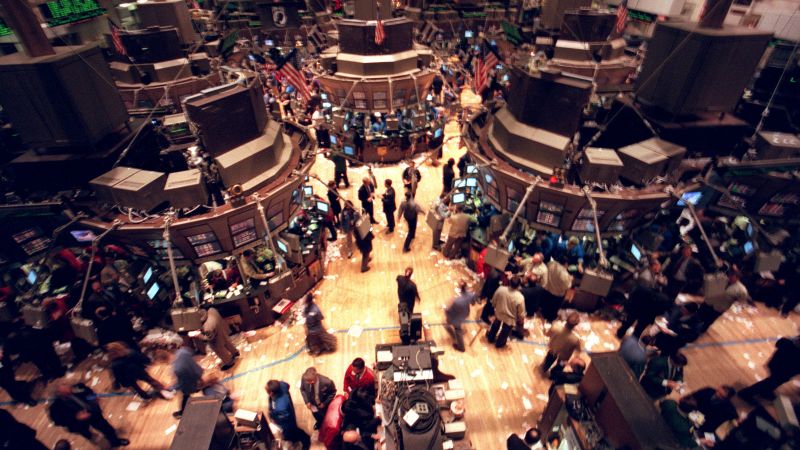
In a landscape reminiscent of the late 1990s dot-com bubble, Wall Street is buzzing with excitement and concern as tech investments soar, workforce predictions abound, and financial speculation climbs. With echoes of that tumultuous period, several seasoned analysts are raising alarms, urging caution amid what they perceive as a potential bubble-in-the-making.
The present sentiment among those who lived through the internet bubble is a mix of nostalgia and trepidation. Steve Sosnick, chief strategist at Interactive Brokers, notes a generational divide; seasoned investors see parallels to past market crashes, while younger traders have a different attitude towards dips, viewing them as buying opportunities. This divergence in perspectives is highlighted by Helene Meisler, a respected market technician, who offered a stark reminder of the 1999-2000 experience on social media: “If you weren’t trading in 1999-2000, then you’re in luck… Now you can experience it.”
Current dynamics in the market show volatility reminiscent of the past. Factors contributing to this growing unease include a surge in artificial intelligence investments, ongoing geopolitical conflicts, and an economy that appears increasingly fragile. Sosnick emphasizes that while “history doesn’t repeat, it often rhymes,” suggesting this tumult may evoke memories of prior market behaviors, though he refrains from predicting an outright repeat of the dot-com bust.
Despite significant global turmoil—including conflicts in the Middle East and a sluggish U.S. labor market—the stock market, particularly tech stocks, is on an impressive upswing. The Nasdaq index has risen over 20% from its lows, while the Philadelphia Semiconductor Index surged a staggering 70% in just a few months. Yet, recent trends reveal concerning signs: the S&P 500 reached record highs even as 5% of its components hit 52-week lows, which historically indicates extreme reliance on a handful of tech giants.
Proponents of the current market rally argue that positive earnings reports support this upward trend. Notably, Dan Ives, a prominent tech stock advocate, claims that the real success of these stocks is just beginning. He emphasized the ongoing AI revolution, suggesting critics are simply out of touch.
Despite the bullish narratives, some analysts express skepticism. While it’s true that many tech companies are currently profitable, there are fears that investors might be too optimistic regarding short-term forecasts, akin to the mistakes made by those burned in 2000. Sosnick points out that the current scale of AI infrastructure development surpasses even the ambitious telecom buildout of the past.
Historical parallels deepen when considering central banking activity. In the late 1990s, the Federal Reserve, led by Alan Greenspan, preemptively injected liquidity into the economy to quash potential panic surrounding Y2K. This monetary intervention contributed to the tech rally before it eventually faltered. In contrast, the present market is reaching heights without the Fed’s intervention, as interest rates remain unchanged since late 2022 and there are no expected cuts until at least 2027.
Current market enthusiasm persists in the face of rising oil prices, increased bond yields, and worsening inflation paired with low consumer confidence. Following military actions between the U.S., Israel, and Iran, stocks have responded positively to any rumors of peace negotiations or reopening of trade routes, a behavior that raises concerns about market resilience against failed promises.
Michael Burry, noted for predicting the housing market crash, articulates a sentiment of alarm regarding the current environment, suggesting that prices are inflating based solely on momentum rather than sound economic fundamentals. His observation that stocks are merely accumulating without a strong foundational basis serves as a stark warning and calls for scrutiny as investors navigate these tumultuous times.