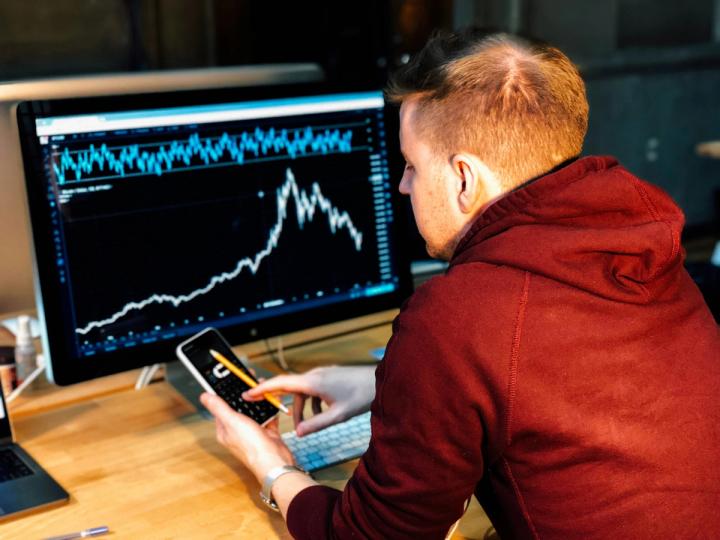
Bitcoin’s recent trading behavior has illustrated a cautious sentiment in the cryptocurrency market following significant geopolitical developments. Late on Monday, BTC briefly surpassed the $67,000 mark, only to retract back below $66,000, closing the day at approximately $65,845. This represented a modest 0.3% increase over the past 24 hours and a more substantial 4.8% rise for the week, according to data from CoinDesk. Although Bitcoin reached a 24-hour high of $67,217, it couldn’t maintain that momentum.
In contrast, other cryptocurrencies showed more robust performance during this same period. Ether experienced an uptick of 2.8% to trade at $1,764, marking a weekly increase of 5.8%. Similarly, Solana gained 3.2% to reach $73, while XRP also grew by 3.2%, trading at $1.22. Notably, Hyperliquid’s HYPE led the major tokens with a 6.3% increase, rising to $69.
The backdrop for these market movements shifted positively on Monday when a memorandum of understanding was electronically signed between President Donald Trump and Vice President JD Vance and Iranian officials. This agreement indicated diplomatic strides, particularly concerning the Strait of Hormuz, which is set to fully reopen on Friday. Following this news, Brent crude oil dipped below $83 a barrel, experiencing its largest decrease in over two weeks. In broader equity markets, the S&P 500 rose by 1.7%, while the Nasdaq 100 surged by 3.1%.
Despite this increasingly optimistic macroeconomic environment, Bitcoin’s response has been muted, signaling a degree of hesitation among investors in the cryptocurrency space. The divergence in market reactions raises questions about Bitcoin’s positioning as a risk asset in scenarios of geopolitical easing, particularly when other markets seem to benefit more significantly from such developments.