The Bank of Japan has taken a significant step by raising its benchmark interest rate by a quarter of a percentage point to 1 percent, marking the highest level seen in 31 years. This decision comes amid growing concerns about inflation, which is largely driven by escalating energy costs due to ongoing conflicts in the Middle East. Central bank officials indicated that the move is a precautionary measure aimed at mitigating anticipated inflationary pressures from rising crude oil prices.
The central bank highlighted the urgency of the situation, pointing to the closure of the Strait of Hormuz, a crucial artery for global oil transportation, which has exacerbated the potential for rising prices across various commodities. While an agreement between the United States and Iran to reopen the strait could offer some relief, economists predict that the impacts of the war-related pressures on pricing will become evident in Japan’s economic data in the coming months. The expectation is that inflation will remain elevated through the end of the year, influenced by continuing supply-chain disruptions and heightened energy prices.
In the wake of previous experiences, particularly during the 2022 energy crisis triggered by Russia’s invasion of Ukraine, global central banks appear to be more proactive this time. The European Central Bank, for example, has signaled its intentions to tighten monetary policy quickly, in contrast to its earlier hesitance. Economists have noted that central bankers are keen to move ahead of inflationary trends now that early data points to clear price increases.
Japan’s economic landscape has evolved considerably in recent times. Since early 2024, the Bank of Japan has initiated a series of interest rate hikes, a notable shift from an extended period of ultralow and even negative rates. This change has coincided with a wave of inflation linked to lingering pandemic-era challenges and new geopolitical dynamics.
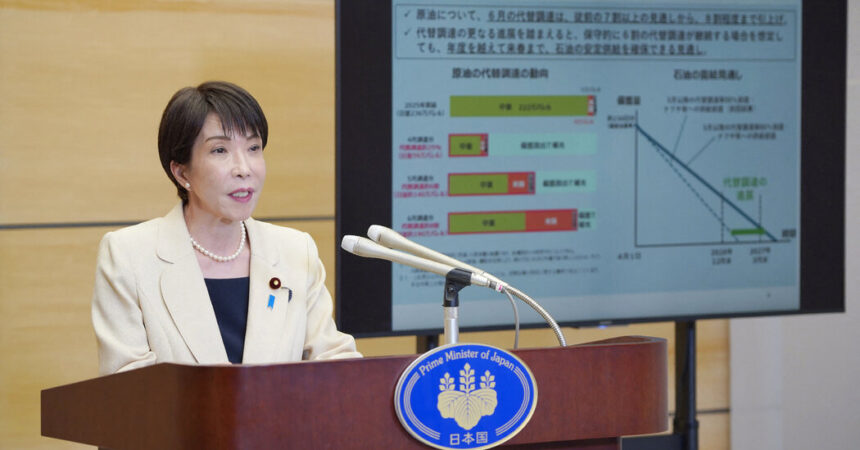
Prime Minister Sanae Takaichi’s election brought a unique set of challenges, as her policies advocate for low interest rates and a weaker yen to benefit exporters. However, the consequent rise in borrowing costs could complicate the implementation of her agenda, which includes significant government expenditures directed toward stimulus, tax cuts, and heightened defense spending.
The previous rate hike by the Bank of Japan occurred in December, but the global landscape has dramatically shifted since then. The closure of the Strait of Hormuz has impacted Japan directly, as it relies on this channel for approximately 90 percent of its crude oil imports. Businesses are now bracing for potential price hikes due to anticipated shortages.
The yen’s depreciation, which has been influenced by compared currency performances against a strengthening dollar, has also raised concerns. The currency recently fell beyond 160 yen to the dollar, prompting the Japanese finance ministry to spend substantial amounts attempting to stabilize the yen with limited success. Many economists and analysts believe that an increase in Japanese interest rates, which would narrow the gap with U.S. rates, is vital to correcting the yen’s weakened status.
Further complicating the situation is the perceived resistance from Prime Minister Takaichi regarding the rate hike. While she has a steadfast belief in the merits of a weaker currency and low interest rates, escalating external pressures—especially from the United States—may limit her options. Economists suggest that despite her opposition to increased rates, she may ultimately have no choice but to acquiesce to the growing necessity of adjusting monetary policy in light of current economic realities.