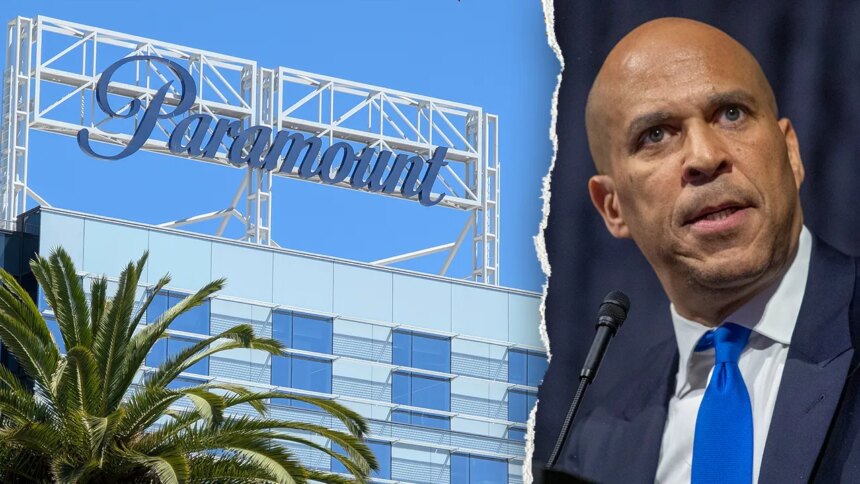
In a recent analysis on ‘The Claman Countdown,’ Rich Greenfield, a partner at LightShed, provided insights into the potential implications of the Paramount Skydance-Warner Bros deal. This multi-billion dollar merger has attracted significant scrutiny, particularly from three Democratic senators, who are now urging the Federal Communications Commission (FCC) to pause the deal. Senators Cory Booker, Adam Schiff, and Elizabeth Warren expressed their concerns in a joint letter addressed to FCC Chairman Brendan Carr, highlighting the involvement of foreign investors in what could become one of the largest media companies in the United States.
The senators articulated their concerns regarding the potential national security threats posed by foreign governmental investments in the proposed $110 billion entity. They implored the FCC to conduct a thorough review of the foreign investment involved in the merger before any steps are taken toward finalizing the transaction. The letter hinted that foreign ownership in the newly merged corporation could climb to approximately 49.5 percent as outlined in a financial disclosure by Paramount’s CEO, David Ellison. This arrangement includes significant equity stake from wealthy entities, notably Saudi Arabia’s public investment fund and various groups from the United Arab Emirates and Qatar.
Despite Paramount’s assurances to the FCC that this degree of foreign ownership would not lead to any national security or law enforcement concerns, the senators argued that the FCC should not simply accept these claims at face value. They urged the commission to reject Paramount’s request for preemptive approval, citing the 1934 Communications Act which generally restricts foreign interests from owning more than 25 percent of an FCC-licensed American firm.
To ensure a robust examination of the merger, the senators set a deadline of July 1 for Chairman Carr to notify Paramount that the transaction could not proceed until the foreign investment review was complete. While the FCC remains the key regulatory body weighing in on the merger, the Department of Justice recently indicated that it would not challenge Paramount’s bid to acquire Warner Bros. After an extensive eight-month review, the DOJ’s antitrust division concluded that the merger was unlikely to harm competition or American consumers across various media platforms.
Referring to the DOJ’s decision, Warren has voiced her criticism, calling on state attorneys general to continue opposing the merger. California Attorney General Rob Bonta is reportedly leading a coalition of states preparing to file a lawsuit aimed at blocking the merger from advancing.
The impending merger has also prompted backlash from the creative community, with over 5,000 filmmakers and actors in Hollywood signing an open letter demanding that the deal be halted altogether. They argue that the merger would exacerbate the competitive challenges already faced by the industry, resulting in diminished job opportunities and a decrease in the number of films produced and released.
In summary, the proposed merger between Paramount and Warner Bros has drawn significant political and public scrutiny, raising critical questions about foreign influence in American media, potential implications for industry competition, and the broader effects on employment within the entertainment sector. The situation continues to develop as regulatory bodies and lawmakers grapple with the ramifications of this substantial deal.