The Prada Group has officially acquired Versace for 1.25 billion euros (around $1.4 billion), a deal that positions the iconic brands under one umbrella and aims to revitalize Versace’s performance in the luxury market. Following approval from regulatory authorities, the acquisition was announced with Prada emphasizing the significant growth potential of the 47-year-old Versace brand, which has recently shown signs of struggle under its previous owner, Capri Holdings.
Lorenzo Bertelli, the heir to the Prada legacy and executive chairman of Versace, will oversee the brand’s future direction while maintaining his roles in group marketing and sustainability. Bertelli has indicated minimal immediate changes to Versace’s leadership, despite acknowledging that the brand has historically underperformed in market positioning.
The creative vision for Versace is currently being steered by new designer Dario Vitale, who recently showcased his inaugural collection during Milan Fashion Week. Vitale’s previous experience at Miu Miu has been highlighted as a non-factor in relation to the Prada acquisition, suggesting a dedicated focus on Versace’s unique identity moving forward.
Capri Holdings had acquired Versace for $2 billion in 2018 but encountered difficulties in navigating its bold aesthetic amid a growing trend for “quiet luxury.” Versace’s share of Capri’s total revenue for 2024 was reported at 20%, contrasting with projections that show it could contribute 13% to the Prada Group’s anticipated revenues, which also include Miu Miu at 22% and Prada at 64%.
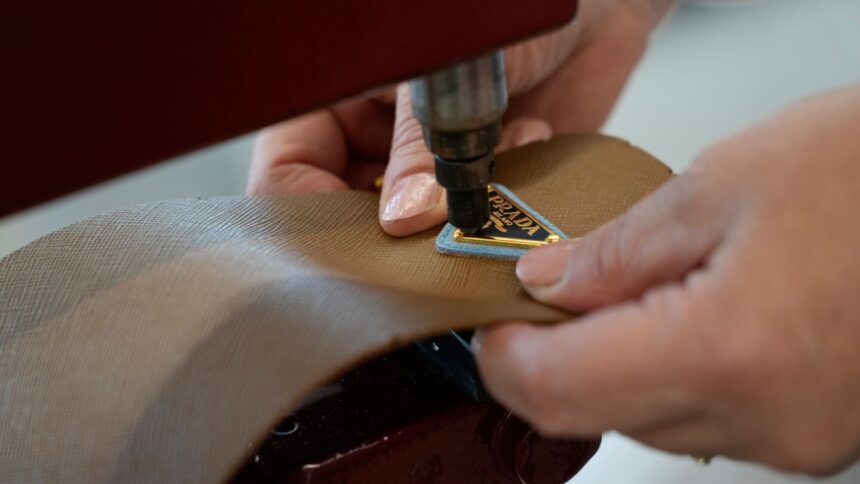
The integration of Versace into Prada’s Italian manufacturing system is a crucial component of the acquisition strategy. The group has a tradition of maintaining high-quality in-house production, and this move signifies a commitment to leveraging shared resources across brands. Bertelli highlighted the consistent know-how involved in creating luxury goods for different labels, reinforcing the potential for operational efficiencies.
Additionally, the Prada Group is ramping up investments in its supply chain, committing 60 million euros in the current year to bolster its production capabilities. This includes the establishment of new factories dedicated to leather goods and knitwear while expanding existing operations. Prada has been proactive in nurturing craftsmanship through its training academy, which has educated a notable number of artisans in Italy.
Overall, the strategic acquisition of Versace by Prada promises to invigorate both brands while enabling them to harness distinct strengths and operational synergies. The fashion industry will be keenly watching how this union unfolds and influences the luxury market landscape in the coming years.