Markets around the world have encountered significant challenges over the past decade, grappling with a variety of crises including a global pandemic, the ongoing conflict between Ukraine and Russia, persistent inflation in numerous economies—particularly the U.S.—escalating tensions between China and the U.S., and most recently, turmoil in the Middle East. Despite this tumultuous backdrop, remarkable gains have been recorded in major indices, with the S&P 500 surging nearly 80% and the Nasdaq skyrocketing over 86% in the last five years.
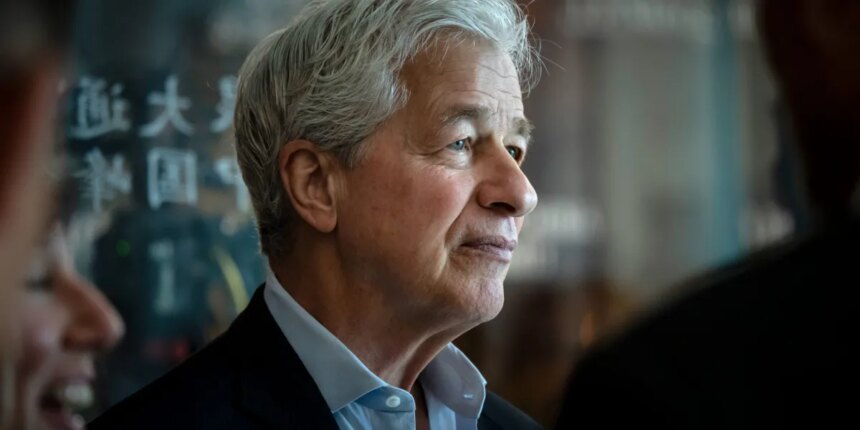
Interestingly, even in light of the recent oil supply disruptions that have plagued the global market for over three months, Wall Street continues to maintain a bullish outlook, largely driven by advancements in artificial intelligence (AI). This unexpected resilience has not only surprised investors but has also caught the attention of some industry veterans, including Jamie Dimon, the CEO of JPMorgan Chase.
In a recent discussion hosted by the Council on Foreign Relations, Dimon expressed his astonishment at the current state of the market. He noted, “I am surprised because I think that you have Ukraine, Iran, oil, Russia, and our relationship with China. That stuff is really important for the free world, but it’s not necessarily the economy today.” His comments reflect a broader anxiety regarding the complex geopolitical landscape and its longer-term implications for the economy.
Dimon pointed out that while immediate consumer sentiment and analyst forecasts may be optimistic, there are deeper “tectonic plates” shifting under the surface that could reshape the economic environment in the future. “I am quite worried about it,” he emphasized, indicating that the repercussions of these global issues might manifest at some point, potentially impacting the economy significantly—whether that occurs in one year, several years, or even resolves itself in some way remains uncertain.
His cautious stance is consistent with his well-known approach to leadership, which he likens to military strategy using the “OODA loop” principle—observe, orient, decide, act. This methodology underscores the importance of thorough observation and assessment to avoid making critical mistakes that could arise not only in warfare but also in the spheres of business and governance.
Despite Dimon’s concerns, several factors are currently fueling optimism in the market. He acknowledged the explosive growth in capital expenditure related to AI, which is projected to reach $700 billion this year and continue its upward trajectory. Additionally, a steady unemployment rate of 4.3% and GDP expansion around 2% offer further support to positive market sentiment.
Consumers have also found some relief from initiatives like the One Big Beautiful Bill Act, which provides a stimulus that, while partially offset by rising fuel costs due to the Middle East conflict, continues to inject financial support into the economy.
However, Dimon remains acutely aware that cycles of growth are not permanent. He remarked on the unpredictable nature of market dynamics, stating, “You don’t know what they’re going to do a year from now, or two years from now.” He characterized the current bull market as akin to a “little tsunami,” suggesting that its momentum may be difficult to halt, signaling the potential for unforeseen shifts in the landscape ahead.