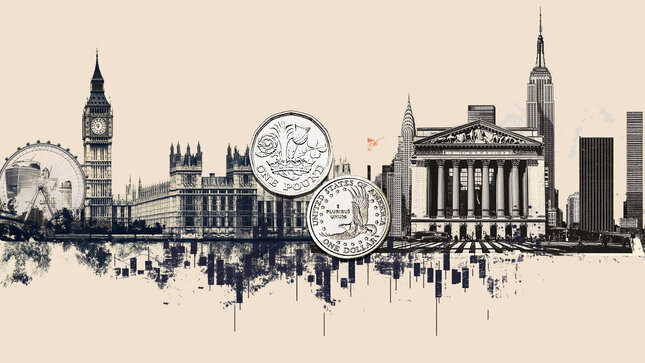
The GBP/USD currency pair rose to the 1.3235 region during the Asian trading session, challenging the week’s bearish gap opening amid a slight decline in the US Dollar (USD). Despite this recovery, the potential for further upside appears limited.
Key developments in international diplomacy have influenced market movements, particularly a formal 60-day roadmap established by mediators Qatar and Pakistan aimed at securing a final peace deal between the US and Iran. This diplomatic effort has subdued demand for the safe-haven USD, resulting in some short-covering around the GBP/USD pair. However, persistent geopolitical tensions, exacerbated by recent events, along with the hawkish stance of the US Federal Reserve, could bolster the USD in the near term.
Tensions escalated over the weekend when Iran closed the strategically important Strait of Hormuz in response to renewed hostilities from Israel in Lebanon. Additionally, Iranian negotiators withdrew from peace talks in Switzerland following US President Donald Trump’s aggressive posturing, which raised fears of further military action against Iran. Such geopolitical risks could fuel bullish sentiment for the USD, potentially leading to renewed selling pressure on the GBP/USD pair.
Further complicating the landscape, reports indicate that UK Prime Minister Keir Starmer may announce his resignation as soon as Monday, potentially paving the way for former Manchester Mayor Andy Burnham to assume leadership. This political uncertainty could continue to detrimentally impact the British Pound (GBP), creating headwinds for the GBP/USD pair and warranting caution for investors considering aggressive bullish positions.
On the economic front, diminishing expectations for interest rate hikes from the Bank of England (BoE) suggest that any further upward movements in the GBP/USD pair could be perceived as opportunities for selling. Robust follow-through buying is necessary to confirm that the GBP/USD has found a bottom and is poised for a significant recovery from the lows reached on Friday, which marked the lowest levels since late March.
The Pound Sterling (GBP), recognized as the oldest currency in the world and the fourth most traded currency globally, commands approximately 12% of all foreign exchange transactions, averaging around $630 billion daily. Its value is primarily influenced by the monetary policy established by the Bank of England, which aims for price stability with a target inflation rate of around 2%.
Indicators such as GDP, Manufacturing and Services PMIs, and employment data play crucial roles in assessing the UK economy’s health, subsequently impacting the GBP’s valuation. A strong economy tends to attract foreign investment, potentially leading the BoE to increase interest rates, thereby strengthening the GBP. Conversely, weak economic data can result in depreciation.
Additionally, the Trade Balance is a critical measure that reflects the difference between a country’s exports and imports over a specified period. A favorable Trade Balance not only reinforces currency strength but also attracts foreign buyers seeking sought-after goods from the UK, while a negative balance can exert downward pressure on the GBP. The current economic landscape and political dynamics suggest a careful approach for traders navigating the GBP/USD pair.