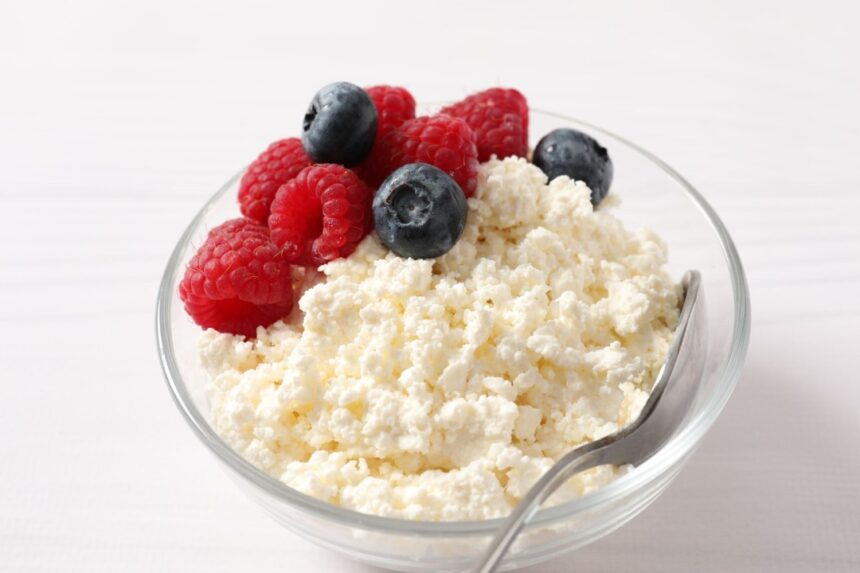
Consumers across the United States are increasingly facing empty dairy shelves where cottage cheese used to sit, a phenomenon that is sparking curiosity and frustration among shoppers. The surge in demand for this once-sleepy dairy product has been fueled by its newfound popularity on social media, particularly platforms like TikTok. According to a report from the New York Times, innovative content creators have reinvented cottage cheese by showcasing it in a variety of forms, from ice cream to smoothies and other high-protein snacks, highlighting its nutritional benefits.
This social media transformation has led to a remarkable spike in cottage cheese sales, projected to exceed $2 billion in 2025—an astonishing 82% increase since late 2022. However, this surge in consumer interest has caught many manufacturers off guard, leaving them struggling to keep up with the whirlwind demand.
In response to the growing popularity of cottage cheese, dairy cooperatives are scrambling to expand production capabilities. Upstate Niagara, a New York-based co-op, is investing $275 million to enhance its high-protein production lines. Meanwhile, Wisconsin’s Westby Cooperative has reportedly sold out its future production for the next three years, indicating a profound shift in consumer preferences.
The brand Good Culture has also seen significant growth but admits it can meet only a fraction of the current demand, despite its rapid expansion and a recent $500 million acquisition by private equity firm L Catterton. This development has led to consumer skepticism, with some speculating that the influx of big money and subsequent changes to recipes or production methods could be contributing to the shortages. However, representatives for the brand have denied these claims.
For more insight into how the trends surrounding TikTok, the fixation on high-protein diets, and the influence of private equity are converging in the dairy aisle, readers are encouraged to explore the full article. The ongoing shortages also raise questions about the sustainability of this protein craze, hinting at broader implications within the food industry.