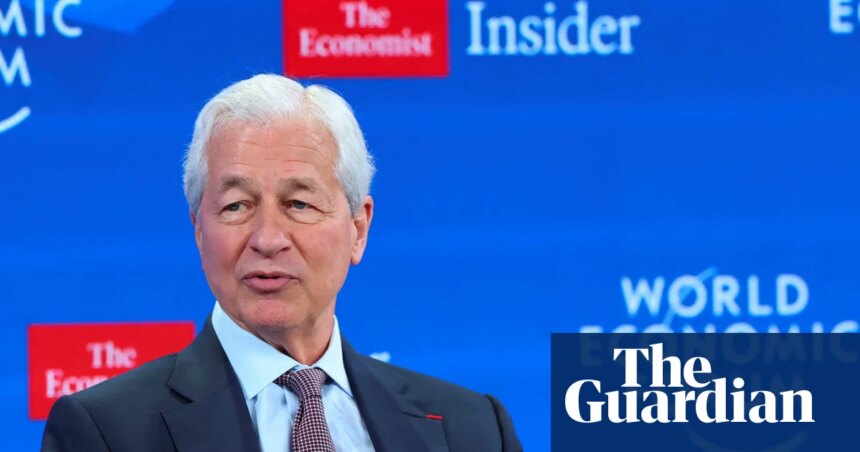
In a significant legal move, Donald Trump has initiated a lawsuit against JPMorgan Chase and its CEO, Jamie Dimon, seeking at least $5 billion in damages. The former president accuses the banking giant of “debanking” him in the aftermath of the January 6, 2021, Capitol riot, alleging that JPMorgan abruptly ceased to provide banking services to him and his business entities.
The lawsuit, filed in Miami by Trump’s personal lawyer, Alejandro Brito, claims the bank inadvertently and unjustly discriminated against Trump and his family, asserting that they were placed on a blacklist without any alternative recourse or remedy. The legal document contends that JPMorgan’s decision was driven by political and social motivations, particularly what Trump’s legal team describes as the bank’s “unsubstantiated, ‘woke’ beliefs.”
JPMorgan has reacted to the lawsuit by expressing regret over Trump’s decision to take legal action, firmly stating that the claims lack merit. A bank spokesperson emphasized that account closures are not politically or religiously motivated but are made due to legal or regulatory risks. They reiterated their commitment to defending against the allegations in court.
Following the announcement of the lawsuit, JPMorgan’s stock experienced a slight dip, though it was trading up at 0.9% later that day. Trump’s lawsuit accuses the bank of discriminating not just against him but also affecting the Trump Organization and his family members as part of a broader trend of financial institutions allegedly distancing themselves from conservative figures.
In a recent social media post, Trump had indicated he would seek legal recourse against JPMorgan, claiming various banks, including JPMorgan and Bank of America, turned down deposit services following the Capitol unrest. Both banks have issued denials regarding Trump’s claims.
JPMorgan’s officials have reiterated a commitment to uphold political neutrality when managing accounts, emphasizing that internal policies guide their decision-making processes. The bank also acknowledged recent shifts in the banking landscape, aligning itself with efforts to address political “debanking.”
In the larger context, Trump’s legal battle with JPMorgan reflects a recurrent theme among prominent right-wing figures who assert that they have been marginalized or “debanked” based on their political beliefs. This trend has sparked a broader discussion on the intersection of finance and politics, with various institutions grappling with the implications of servicing clients with controversial views.
The case unfolds amidst tension between Trump and Dimon, marked by contrasting views on monetary policy and the economy. Dimon has publicly defended current Federal Reserve leadership, showcasing his respect for Jerome Powell despite disagreements over certain economic policies. This friction was further highlighted by Trump’s critiques of the Fed’s cash rate strategies.
As the lawsuit advances, it is likely to attract significant attention not only for its political implications but also for its potential to reshape the relationship between financial institutions and clients with contentious viewpoints.