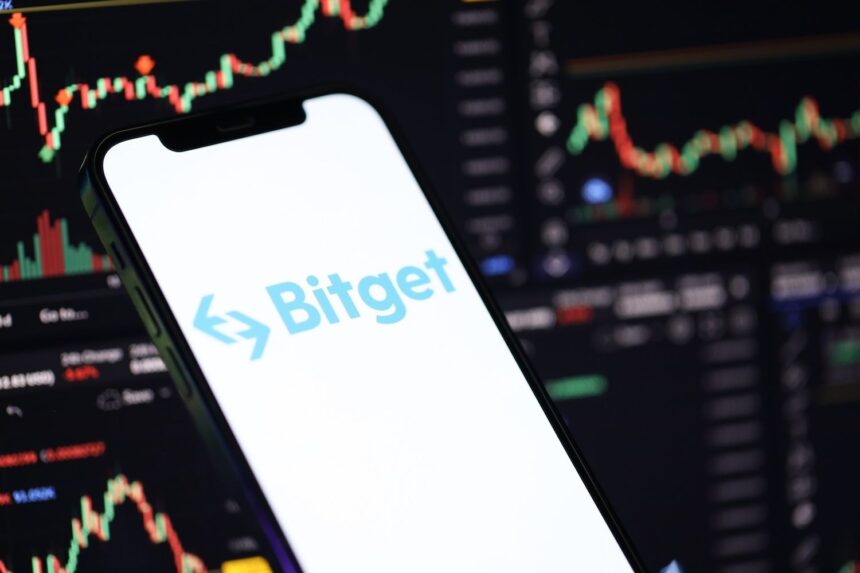
Bitget has unveiled a groundbreaking feature called Stock+, allowing users to purchase actual US stocks using USD Coin (USDC) and other digital currencies, thereby integrating cryptocurrency and equity trading into a single platform. This new feature was introduced on June 22 and is positioned within Bitget’s Stocks 2.0 ecosystem. Users can now easily transition between digital assets and equity trading without needing to rely on local brokers or navigate jurisdiction-specific regulations.
Unlike many financial instruments that mimic asset values, Stock+ offers holders genuine ownership of the underlying shares, facilitated through partnerships with established regulated brokers RQD Clearing and Atomic Vaults Securities. This structure ensures that investors are eligible for cash dividends and stock split adjustments, mirroring traditional stock ownership benefits. The trading experience is designed to accommodate US market hours, including pre-market, regular, and after-hours sessions, with transaction fees starting as low as 0.1%. To further incentivize early adopters, users can take advantage of a 50% discount on fees until August 31, 2026.
Gracy Chen, Bitget’s CEO, emphasized the importance of enabling ownership, stating, “Access is important, but ownership matters too.” She believes that providing genuine ownership of US-listed companies serves as a critical link between the cryptocurrency and traditional financial markets.
This launch builds on Bitget’s Stocks 2.0 initiative, which was debuted earlier in June 2026 and includes the Reality protocol for regulated real-world asset (RWA) trading and the introduction of tokenized stocks known as rTokens. Since this upgrade, Bitget has added an impressive array of over 500 US stocks and exchange-traded funds (ETFs) to its platform. Among these offerings are notable firms like SpaceX, Tesla, and NVIDIA, with rToken assets under management exceeding $50 million.
The introduction of Stock+ represents a significant step in the evolution of financial trading, merging the worlds of digital and traditional assets, and may potentially redefine how investors interact with both markets.