Bitcoin and the broader cryptocurrency market have experienced a significant downturn, with Bitcoin’s price dropping to $60,000 amid looming uncertainties surrounding the Federal Reserve’s actions. This drop marks a distinct departure from its previous correlation with high-growth technology stocks, as other entities, like SpaceX, continue to advance.
Traders and analysts are closely monitoring the situation, particularly with the recent quarterly options expiry that could be acting as a price magnet for Bitcoin. Analysts at Bitfinex have cautioned that a sustained move below the $60,000 level might lead to a negative reaction, potentially pushing Bitcoin’s price down to between $54,000 and $56,000. They highlighted a ceiling on any potential upward movement, projecting resistance near the $66,000 to $68,000 range.
In a separate but related development, shares of Bitcoin investment firm Strategy experienced a steep decline this week, plummeting to $85. This downturn leaves the firm, which holds nearly 850,000 Bitcoins, nursing significant losses of 85% from its peak last summer. Michael Saylor, the company’s CEO, has expressed a commitment to disciplined capital allocation and transparency despite the challenges. However, concerns about the firm’s financial health persist, with its controversial preferred stock trading at historic lows, about 25% beneath its intended value.
The volatility surrounding Strategy has raised alarms in the market, reminiscent of past catastrophic events. Alex Blume, CEO of Two Prime, described the current situation as alarming, warning that the tools available to sustain the firm might be diminishing. Despite these concerns, he remains optimistic, suggesting that now could be a good time to invest in Bitcoin. He noted that Strategy, facing uncertainty, is not likely to be a forced seller of its Bitcoin holdings.
As Bitcoin’s price plummeted, concerns escalated about Strategy’s financial viability. Analysts pointed out that the firm’s struggles could trigger selling pressure in the Bitcoin market as traders react to the potential for a major corporate Bitcoin holder to liquidate assets. This development could further exacerbate Bitcoin’s price drop.
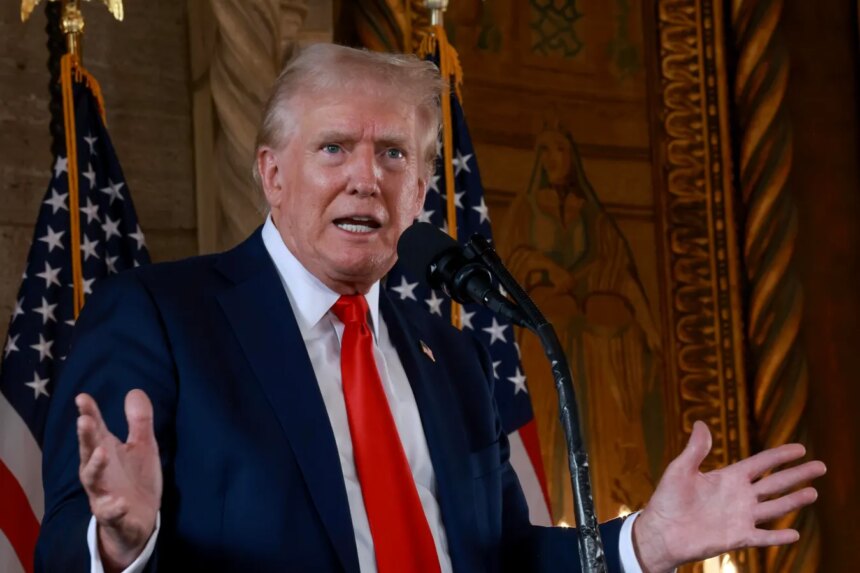
In the political arena, Donald Trump has refused to sign a bipartisan housing bill that includes significant provisions regarding cryptocurrency, specifically a ban on central bank digital currencies (CBDCs). He stated he would only consider signing it once certain voting laws passed. This refusal raises questions about the prospects for another legislative effort, the Clarity Act, which many in the cryptocurrency community view as vital for market recovery. With a deadline approaching, analysts argue that the lack of regulatory clarity might drive institutional investors away from the U.S. market and toward more stable regulatory environments.
Overall, the current market environment is characterized by uncertainty and volatility, with Bitcoin’s trajectory heavily influenced by external economic signals, corporate actions, and political maneuvering.