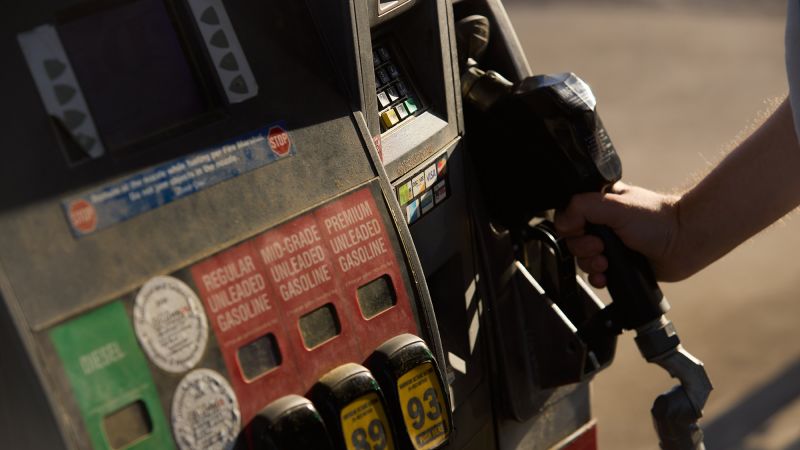
Americans are showing renewed optimism about the economy after months of diminishing sentiment, largely influenced by soaring gas prices. Recent data released by the University of Michigan indicates a rise in consumer sentiment from a previous reading of 48.9 to a final score of 49.5 this month. This uptick marks the first increase in consumer outlook since February, just before the escalation of the US-Israeli conflict with Iran, which subsequently drove global energy prices higher.
The conflict has severely impacted oil transportation routes, particularly the Strait of Hormuz, a crucial passage for oil shipping. As a result, gas prices reached near-record highs, leading to a significant drop in consumer sentiment, with Americans feeling the pinch as they allocated larger portions of their budgets to fuel costs. In fact, the nation recorded two consecutive months of historically low consumer sentiment, attributable to these rising expenses.
However, with a recent decrease in gas prices amid a fragile ceasefire in the Middle East, consumers are beginning to feel a shift in their economic outlook. Despite the recent improvement, overall consumer sentiment remains 13% lower than pre-war levels, indicating lingering concerns about the economy’s stability.
The University of Michigan’s surveys reveal that high costs continue to dampen consumers’ feelings towards their financial situations. For the third month in a row, over half of those surveyed mentioned that inflation remains a significant burden on their personal finances, emphasizing that while gas prices are easing, the overarching impact of rising costs persists. This complex interplay of geopolitical events, energy prices, and consumer sentiment highlights the ongoing challenges faced by American households navigating an uncertain economic landscape.