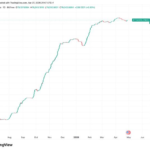
U.S. producer prices experienced an unanticipated decline last month, falling by 0.1% from July, according to the latest report from the Labor Department. The producer price index, which measures inflation at the wholesale level before it reaches consumers, revealed a slowdown in wholesale inflation for August, following a significant increase of 0.7% in July.
The decrease in wholesale prices was influenced by a drop of 0.2% in wholesale services prices, attributed to tighter profit margins for retailers and wholesalers. This development may indicate that these businesses are absorbing some of the costs associated with President Donald Trump’s tariffs on imports, rather than passing them onto consumers. Year-over-year, producer prices rose 2.6%, reflecting a more moderated inflationary environment than many had anticipated.
Core producer prices, which exclude the more volatile food and energy sectors, also recorded a drop of 0.1% from July, while increasing by 2.8% in comparison to the previous year. These figures were below economists’ expectations, as many had predicted that the tariffs would lead to higher prices across various sectors. Economist Stephen Brown from Capital Economics noted that the effects of tariffs are only gradually becoming evident within the market. Additionally, Bill Adams, chief economist at Comerica Bank, suggested that the slow pace at which wholesalers and retailers are passing on tariff costs could be due to factors such as foreign suppliers offering discounts to preserve market share or subdued demand in the U.S. economy.
Amid noticeable fluctuations in import prices, coffee prices saw a significant rise, increasing by 6.9% from July and 33.3% year-over-year. The wholesale price report was released just a day ahead of the anticipated consumer price index (CPI) data, expected to show a slight uptick in consumer price inflation, which is projected to rise by 0.3% from July. Year-over-year consumer prices are expected to reflect a 2.9% increase in August, up from a 2.7% rise in July.
Wholesale prices serve as an early indication of potential shifts in consumer inflation, particularly in sectors such as healthcare and financial services that contribute to the Federal Reserve’s preferred inflation measure, the personal consumption expenditures (PCE) price index. The recent decline in producer prices increases the likelihood that the Federal Reserve will cut its benchmark interest rate in the coming week, marking the first reduction of the year.
Trump has been vocal in his criticism of the Federal Reserve, urging cuts to interest rates for months and asserting that Chair Jerome Powell has delayed necessary actions. Following the release of the wholesale inflation report, Trump reiterated his stance on social media, claiming, “No inflation!!! ‘Too Late’ must lower the RATE, BIG, right now.”
Recent economic indicators also point to a potential slowdown, with the Labor Department revealing on Tuesday that job additions over the last year were significantly lower than previously reported, with 911,000 fewer jobs created by the end of March than estimated. This data further complicates the economic landscape as concerns about growth and inflation continue to persist.