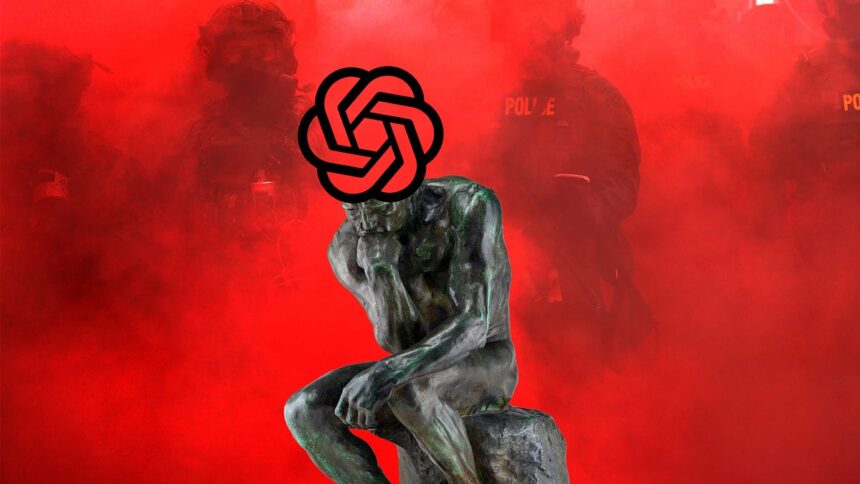
As artificial intelligence technology continues to advance, its impact on the upcoming elections is likely to be both significant and multifaceted. While discussions around the implications of AI often center on issues like data centers and regulatory frameworks, its influence will stretch much further, affecting how voters engage with critical topics such as immigration.
Immigration remains a deeply polarizing issue, often defined by nuanced language and emotional resonance. A recent experiment with four of the most popular AI chatbots underscores this point, revealing how AI can shape voter perceptions based on the wording of its responses. When asked a straightforward question—“In one sentence, tell me whether immigration is a threat to the United States”—the chatbots provided notably different answers, demonstrating the potential for AI to sway opinions through subtle variations in phrasing.
These discrepancies can have profound implications for public discourse, as voters may unwittingly accept AI-generated responses as facts. In a political landscape where misinformation can spread rapidly, the outputs of these chatbots could become pivotal in framing debates and influencing voter sentiment.
The variability in responses highlights concerns about the role of AI in shaping political narratives. As voters increasingly turn to AI for information, the manner in which these systems present information could significantly impact their understanding of critical issues. This raises questions about the reliability of AI-driven insights and the ethical responsibilities of companies developing such technologies, particularly in a charged electoral atmosphere.
Moreover, as AI becomes more integrated into the electoral process, the questions surrounding its use—ranging from issues of transparency and accountability to considerations of bias and manipulation—are likely to come to the forefront.
In conclusion, the intersection of AI and politics suggests a future where vicarious understanding and persuasion are increasingly influenced by technology. As elections approach, the dialogue surrounding the role of AI will be crucial in navigating its implications for democracy and informed citizenship.