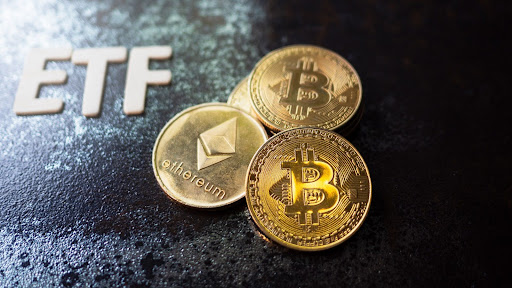
In a potential shift in the exchange-traded fund (ETF) market, Bitcoin and Ethereum could face emerging competition from altcoins. Analysts have indicated that the U.S. Securities and Exchange Commission (SEC) is reportedly preparing for a wave of approvals that would broaden the range of assets eligible for ETFs, paving the way for altcoin-based products.
Bloomberg analyst James Seyffart highlighted that numerous altcoins could already qualify for listing, including notable names such as Chainlink (LINK), Stellar (XLM), Bitcoin Cash (BCH), Avalanche (AVAX), Litecoin (LTC), and Polkadot (DOT). Additionally, high-profile cryptocurrencies like Solana (SOL), Cardano (ADA), Ripple’s XRP, Dogecoin (DOGE), and Shiba Inu (SHIB) are identified as leading contenders due to their strong liquidity and established derivatives markets.
While Bitcoin and Ethereum are expected to maintain their central roles within the ETF landscape, the recent launch of Ethereum-based ETFs has illuminated some challenges. These ETFs, introduced in mid-2024, have been met with weaker inflows than anticipated. Advisors are still adapting to Bitcoin ETFs, and the lack of staking features has left Ethereum funds appearing somewhat incomplete. Market observers believe that once staking is integrated into ETF frameworks, demand among investors for these products may increase significantly.
Looking ahead, the first altcoin ETFs are expected to feature well-known assets like Solana, XRP, and Cardano, followed by diversified products that could encompass a broader array of cryptocurrencies. While interest and approval might not be uniform across all altcoins, the emergence of such ETFs would signify a pivotal moment for Wall Street, effectively incorporating altcoins into mainstream financial tools.
The conversation has evolved from whether altcoin ETFs will materialize to which cryptocurrency tokens might spearhead this new wave. As the landscape shifts, all eyes will be on the SEC’s decisions and the evolving demand from investors seeking to diversify their portfolios through these innovative products.