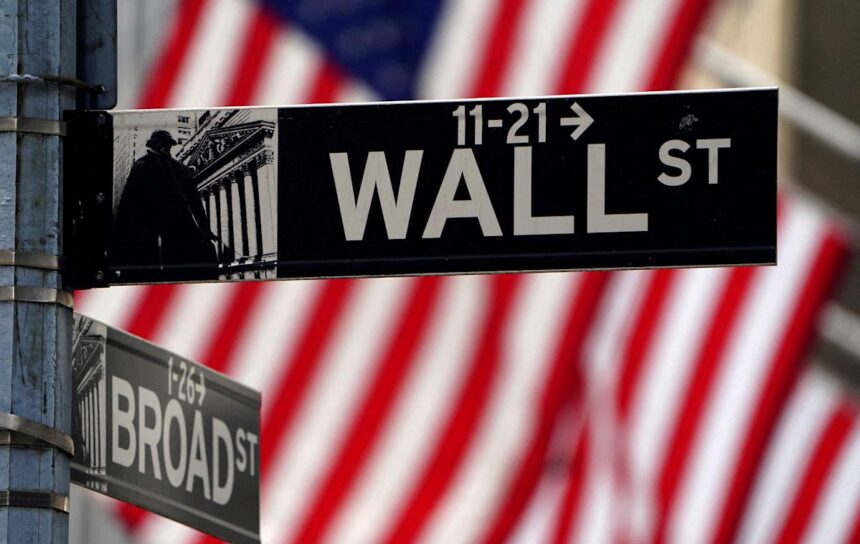
In a remarkable turnaround, Wall Street experienced a robust rally in April, mirroring the exuberance of past market highs. The S&P 500 posted a significant rise of over 10%, marking its strongest performance since November 2020, while the Nasdaq Composite soared more than 15%, achieving its best monthly gain since April 2020. The Nasdaq 100 also surged nearly 16%, a mark not seen since October 2002.
This month’s performance stands in stark contrast to the cautious sentiment prevalent just a month ago, as investors were grappling with geopolitical tensions and a hesitance in the bull market. Notably, this uptrend was broad enough to positively impact smaller stocks, with the Russell 2000 climbing over 12%, also its best showing since November 2020.
However, a closer look reveals a significant disparity in gains. The equal-weighted S&P 500 index rose by less than 6%, highlighting that much of the rally was heavily concentrated among the largest companies in the index, rather than being a widely shared advance.
Technology stocks emerged as the primary drivers of this resurgence. The Technology Select Sector SPDR Fund experienced a whopping 20% increase, making it the best month for the sector since October 2002. The semiconductor industry was particularly influential, with the PHLX Semiconductor Index soaring more than 40%, representing its best performance since February 2000. This meteoric rise was marked by an impressive record of 18 consecutive days of gains.
The positive momentum within the semiconductor sector was reflected in notable individual company performances. Intel achieved its best month on record following favorable earnings, while AMD experienced its strongest increase since January 2001. Other notable contenders like Micron and Texas Instruments also marked their best months since early 2000.
Market capitalization changes further illustrated this trend. Alphabet added approximately $1.2 trillion in April, marking its most substantial monthly gain since 2004. Amazon and Nvidia each significantly contributed, adding more than $600 billion, while Broadcom saw increases exceeding $500 billion.
On the flip side, some sectors struggled. Both energy and healthcare ended the month lower, and a revival in software stocks quickly faded in comparison to the semiconductor surge. The iShares Expanded Tech-Software Sector ETF recorded a modest rise of less than 5% and has seen a decline of over 20% year-to-date.
As bulls regain control, the upcoming month of May will serve as a critical test for the market. Investors will be closely watching to see if smaller, average stocks can begin to share the burden of leading the market’s ascent.