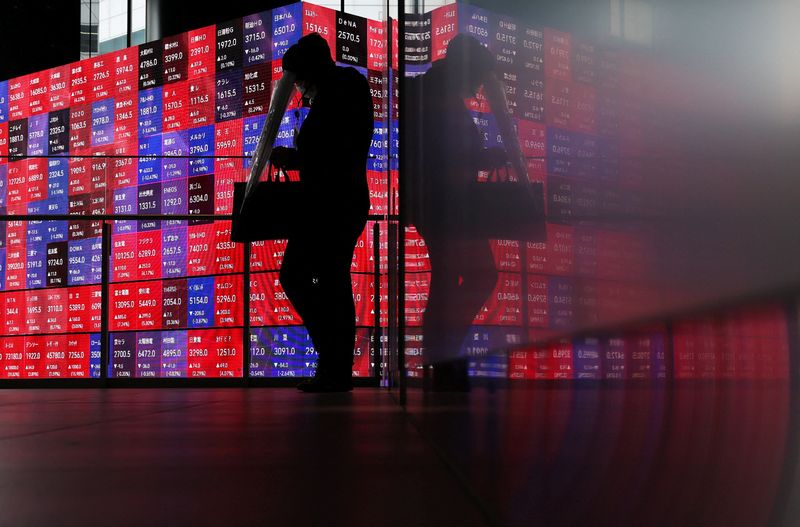
Asian stock markets experienced a positive uptick on Friday, buoyed by investor optimism surrounding potential progress in U.S.-Iran peace negotiations. This comes against a backdrop of heightened tensions over the Strait of Hormuz, a vital channel for global energy supplies, which has led to volatility in oil prices and altered expectations related to interest rates worldwide.
U.S. Secretary of State Marco Rubio announced that there are “some good signs” emerging from discussions aimed at resolving the ongoing conflict in the Middle East, which has persisted for nearly three months. However, he emphasized that significant differences remain, particularly regarding Tehran’s uranium stockpiles and control of the strategic waterway.
In regional stock markets, the MSCI’s broadest index of Asia-Pacific shares outside Japan rose by 0.3%, indicating a modest weekly gain. Japan’s Nikkei index saw a substantial increase of 2%, while U.S. stock futures climbed by 0.2%, and European futures jumped by 0.8%. Chris Weston, head of research at Pepperstone, mentioned that the narrative surrounding the peace talks appears to be moving toward something that markets can assess with greater confidence, albeit cautiously.
Oil prices initially surged after experiencing sharp declines, influenced by the mixed signals surrounding the peace negotiations. Brent crude futures rose by 2% to $104.71 a barrel, although they are projected to finish the week down by 6%. Meanwhile, U.S. West Texas Intermediate futures increased by 1.66% to $98.01.
The ongoing conflict in the region poses a risk of prolonged energy disruptions, which could influence global prices and lead traders to anticipate interest rate hikes in both developed and emerging markets. Following this trend, the market now expects potential rate increases from the U.S. Federal Reserve by the end of the year, contrasting sharply with prior expectations of two rate cuts before the conflict escalated.
Mitch Reznick, Head of Fixed Income at Federated Hermes, highlighted the strong correlation between oil prices and global interest rates, indicating the widespread nature of the current economic challenges. Originally perceived as shifts in inflation expectations, these concerns are now manifesting in actual inflation, reinforcing the belief that central banks may need to maintain tighter monetary policies to restore price stability.
As a result of these dynamics, Treasury yields have risen, and the U.S. dollar has strengthened, benefiting from its status as a safe-haven asset. In early trading, the euro was quoted at $1.1614, hovering near its six-week low reached on Thursday, with forecasts suggesting a 1% decline for the month.