In a rapidly evolving landscape, the rise of stablecoins has become a prominent topic of discussion, reminiscent of a famous Oprah moment—where she famously exclaims, “You get a car!” for every audience member. Today, it seems that stablecoins are the new currency being handed out by a variety of financial institutions. Major players such as Zelle, SoFi, Western Union, and Fidelity are all investing in their versions of stablecoins. Even smaller institutions like St. Cloud Financial Credit Union in Minnesota have joined the fray, leading some to wonder if an individual could launch their own stablecoin as well.
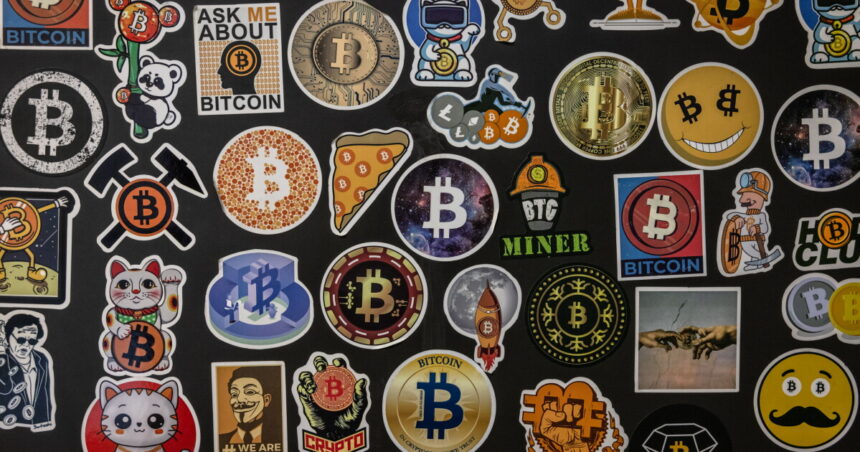
While stablecoins gain momentum, a critical perspective on cryptocurrency needs to be acknowledged: the notion that Bitcoin is a scarce asset is increasingly questionable. Released as open-source software in 2008, Bitcoin’s code was accessible for anyone to use, leading to an explosion of alternative cryptocurrencies. Currently, CryptoMarketCap lists over 8,000 digital assets, a number that likely doesn’t encompass the entire market, especially considering some assets may have minimal trading volumes or be nearly illiquid. The proliferation of alternatives includes 50 variations of Bitcoin itself, such as Bitcoin Cash, Bitcoin SV, and even more creatively named versions like Purple Bitcoin and ShibaBitcoin.
A stablecoin can be understood as a pegged variation of Bitcoin, designed to minimize price volatility. The ease of creating a stablecoin means a multitude can come into existence—offering transparency, reduced friction, and automated settlement processes. Despite Bitcoin’s iconic status, it is clear that thousands of digital assets perform similar functions, which suggests that Bitcoin should not be viewed as the only scarce option in the cryptocurrency space.
The conversation surrounding digital assets inevitably leads to concerns about fraud. Conversations with victims—ranging from the unsophisticated to the exceptionally savvy—revealed the growing sophistication of scams. With con artists becoming more adept and the tools available for deceit evolving, many believe that the efforts to combat fraud are not keeping pace.
Recent statistics from the Federal Trade Commission (FTC) indicate that fraud-related losses for Americans were projected to reach $16 billion in 2025, up from $12 billion in 2024. This figure likely doesn’t capture the entire scope of the issue, as many individuals may not report their experiences being victimized.
To address the rising tide of fraud, Bank of America has initiated a proactive approach by implementing in-person educational seminars, called “scaminars,” at its branches. This initiative is grounded in the belief that face-to-face communication enhances retention of critical information. Since their launch last year, the bank plans to host approximately a thousand seminars nationwide by the end of the current year, raising awareness and equipping individuals with the knowledge to recognize scams.
In an increasingly complex world, the importance of ongoing education about fraud cannot be overstated. One critical piece of advice rings particularly true for individuals navigating the online landscape: never send money to someone you meet online, regardless of their appearance or story. As more people attend these educational sessions, there is hope that collective awareness can help shield individuals from becoming victims of advanced scams, ultimately contributing to a safer financial ecosystem.