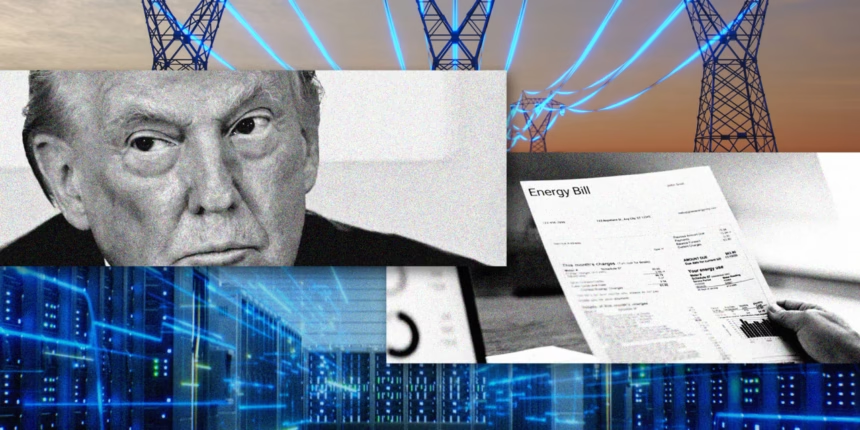
In the rapidly evolving sphere of artificial intelligence, major technology firms are investing unprecedented sums into the construction of data centers, a critical component for advancing AI capabilities. Companies like Microsoft, Meta Platforms, Google, and Amazon, often referred to as hyperscalers, are in a fierce competition to develop the necessary infrastructure to support their AI ambitions. However, this race is presenting unique challenges, particularly in light of significant federal scrutiny targeting their operational expansion.
As these tech giants ramp up their data center projects, they find themselves confronted by a growing backlash from everyday Americans. Many citizens express concern over escalating electricity costs, which are largely driven by the energy demands of these data centers. The pressure is mounting for these companies to find more sustainable solutions as consumers push back against rising utility bills. This climate of discontent is compounded by an administration focused on affordability ahead of the midterm elections, making it a critical juncture for the tech industry.
Faced with potential legislative measures and increased regulatory oversight, the hyperscalers are now tasked with balancing their ambitious AI infrastructure goals against the need to align with public sentiment and governmental objectives. This scenario raises questions about the future of AI development and the potential implications for data center expansion amid the current socio-political landscape.
As the industry navigates these challenges, the outcome will not only shape the future of artificial intelligence but also affect the broader economic environment, consumer energy costs, and regulatory norms surrounding technological advancements. The situation continues to evolve, and the coming months are likely to be pivotal for both Big Tech and the public they serve.