









In a decisive move, a bipartisan coalition in the House has voted to advance a measure aimed at reviving enhanced pandemic-era subsidies that significantly reduced health insurance costs for approximately 22 million people. The vote, which registered at 221-205, comes on the heels of the subsidy’s expiration last month and marks a pivotal test ahead of the expected passage of the bill on Thursday.
The tension that led to this vote was fueled by the frustrations of four centrist Republican lawmakers who joined forces with Democrats to initiate a discharge petition, effectively forcing the issue onto the House floor. Lawmakers like Representative Mike Lawler of New York articulated the need for bipartisan cooperation, suggesting that a strong show of support in the House could make negotiations easier in the Senate.
The passage of the measure, if it occurs later this week, is expected to indicate significant bipartisan backing for a proposed three-year extension of the tax credits linked to the Affordable Care Act, commonly referred to as Obamacare. The actions of the renegade Republicans signify an erosion of authority for Speaker Mike Johnson and GOP leaders, whose dismissal of the issue had allowed members of their own party to cross lines and collaborate with Democrats.
However, any potential resolution remains contingent on the Senate’s willingness to consider the House bill. Reports indicate that a small, bipartisan group is currently formulating an alternative proposal that would suggest a two-year subsidy extension and introduce modifications to the existing program. Senate Majority Leader John Thune outlined potential requirements for a successful Senate bill, including income limits to focus assistance on those most in need and provisions that would prevent insurance companies from exploiting the system.
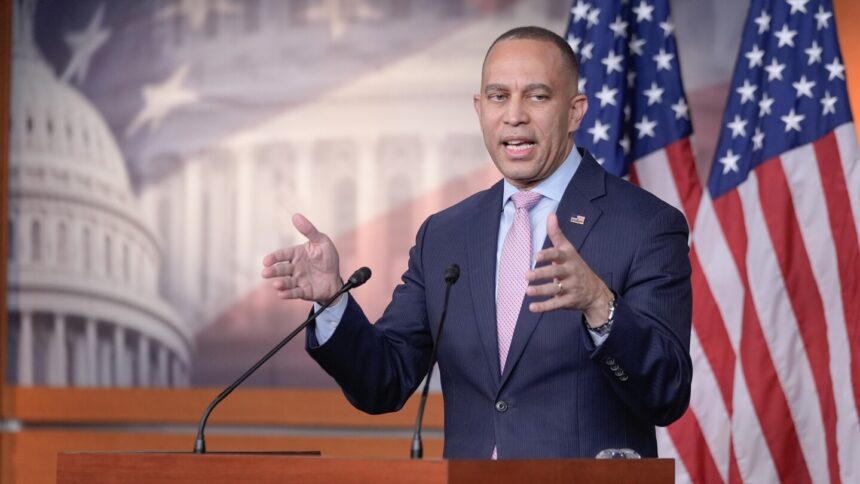
Amid these discussions, Democrats are seizing on rising health insurance costs as a cornerstone of their strategy to reclaim control in the upcoming elections. Democratic Leader Hakeem Jeffries has actively challenged Republicans in swing districts, urging them to align with the party’s efforts to mitigate the financial burden on their constituents.
The four Republican representatives who broke ranks—Brian Fitzpatrick, Robert Bresnahan, Ryan Mackenzie, and Lawler—hail from critical swing districts that will play a significant role in determining the House majority in the next election cycle. This strategy of utilizing discharge petitions to foster legislative action, while infrequent, has proven effective in this Congress, with notable instances including a vote aimed at uncovering the Jeffrey Epstein files prompted by bipartisan support.
As lawmakers continue to grapple with the healthcare crisis, it remains unclear whether the Senate will take up any proposed bills, underscoring the ongoing complexities surrounding health insurance affordability in the United States.