This week has seen a significant decline in Bitcoin’s value, which plunged sharply amid growing concerns about the cryptocurrency’s future and its waning dominance in the market. As Bitcoin struggles, a lesser-known cryptocurrency has experienced an astounding 1,000% price surge, drawing comparisons to Bitcoin’s explosive growth in 2013.
After reaching a momentary recovery above $80,000 in May following a steep drop from its all-time high of $126,000 in October 2025, Bitcoin has since fallen back below this critical threshold. Market sentiment has turned negative, with Wall Street analysts indicating a state of “full panic mode.” This unease has been fueled by statements from a prominent billionaire who warned that the U.S. dollar is on the verge of collapse.
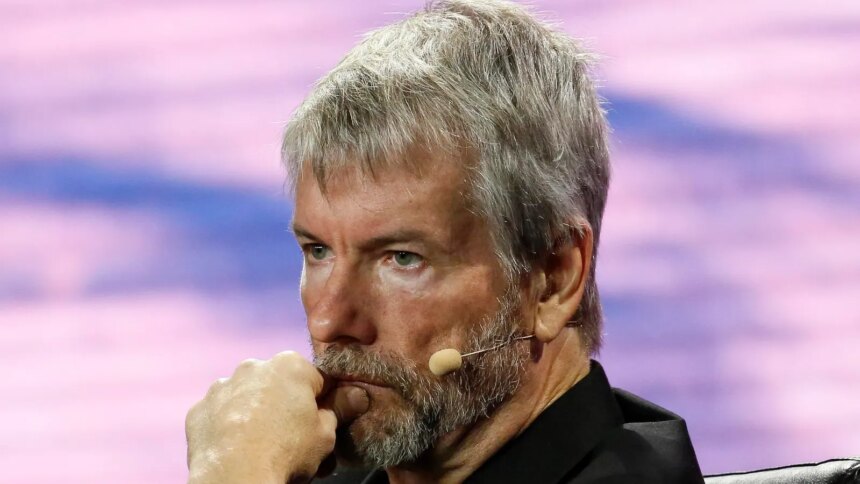
Michael Saylor, the founder of the Bitcoin acquisition company Strategy, has stirred the pot further by hinting that his company might sell a portion of its substantial Bitcoin holdings, valued at approximately $63 billion. This statement was made in light of Strategy’s recent regulatory filing, which revealed plans to buy back $1.5 billion in debt at a discounted rate, listing Bitcoin sales as a potential funding source.
The filing noted: “Strategy expects to fund the repurchases with available cash reserves, proceeds from sales of securities under its at-the-market offering program, and/or proceeds from the sale of Bitcoin.” The anticipated completion of these repurchases is set for around May 19, 2026, pending standard closing conditions.
Earlier this month, Saylor sparked alarm when he discussed the possibility of selling Bitcoin to meet dividend obligations, emphasizing a strategic approach to manage the company’s finances. “We will probably sell some Bitcoin to pay a dividend just to inoculate the market and send the message that we did it,” he remarked during a company earnings call.
This statement triggered fears of a potential crash in Bitcoin’s price, as the company’s share prices have already experienced a significant decline—down 60% since their peak in the summer of 2025. This depreciation closely mirrors the slide in Bitcoin’s value, streaming alongside the company’s rollout of controversial “Stretch shares,” which promise a monthly cash dividend of around 11%.
Strategy’s CEO Phong Le, during the same earnings call, acknowledged the possibility of selling some of the company’s Bitcoin holdings when it is deemed beneficial to their fiscal strategy. He stressed the intent to increase Bitcoin assets per share over the long term, reflecting a shift in operational philosophy.
Despite Saylor’s dismissal of the panic surrounding potential Bitcoin sales, claiming that if the company sold exclusively for dividends, they would still be acquiring more Bitcoin than sold, concerns remain high. Strategy’s influence on the Bitcoin market has reached a notable scale, igniting discussions among analysts.
Thomas Perfumo, Kraken’s chief economist, highlighted this influence, pointing out that the company’s strategy raises concerns about liquidity needs and the potential for future sales impacting market stability. Observers have noted that the earlier offloading of Bitcoin for tax reasons adds to the unease, suggesting a precarious position for the cryptocurrency.
While some analysts assert that the company’s actions resonate ideological shifts—from a steadfast commitment to holding Bitcoin indefinitely to a more pragmatic position of selling when the company finds it advantageous—others caution against the risks this presents. Shawn Young, chief analyst at MEXC Research, warned that any substantial sale of Bitcoin by Strategy could trigger panic among investors, possibly leading to drastic price reductions.
As uncertainty looms around whether selling will occur before the end of Q4, especially if Bitcoin prices do not improve, the market watches closely. The delicate balance of investor loyalty to Bitcoin hangs in the balance as Strategy navigates its future financial landscape and decision-making.