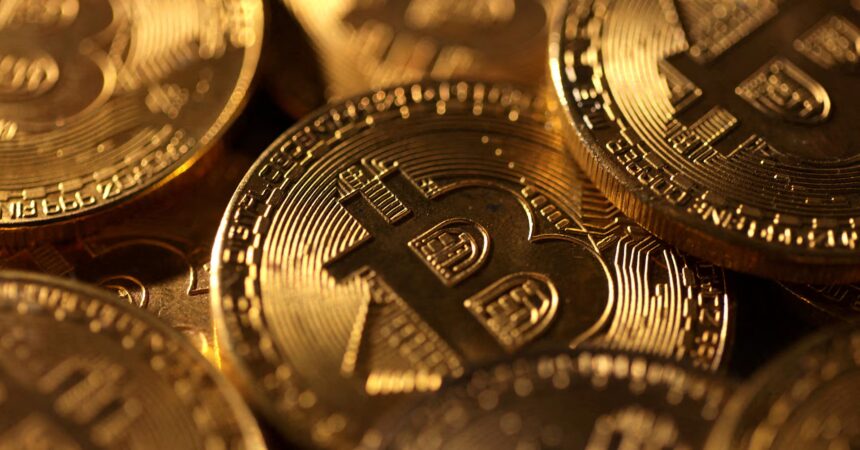
In a significant shift for the cryptocurrency market, Bitcoin has plummeted to a seven-month low, dropping below $90,000, as investor sentiment teeters. The decline comes amidst larger financial market volatility, characterized by a withdrawal of approximately $523 million from BlackRock’s flagship iShares Bitcoin Trust (IBIT), marking its largest single-day outflow since the fund’s inception in January 2024, according to Farside Investors.
The sharp downturn in Bitcoin’s value signals a broader selloff across risk assets, as investors reassess their positions following a period of soaring valuations. IBIT, which has been central to the burgeoning crypto ETF market, has seen its assets diminish, reflecting a collective market correction after a record peak in October.
Analysts indicate that the recent moves suggest a shift in investment strategies, with some traders transitioning from Bitcoin to gold, which has maintained its stability during this turbulent period. This transition raises questions about Bitcoin’s position as a reliable hedge against economic uncertainty compared to traditional assets like gold. José Torres, a senior economist at Interactive Brokers, noted that an ongoing lack of speculative enthusiasm is contributing to Bitcoin’s downward trend.
The correction in Bitcoin’s price has been attributed to multiple factors. Thomas Perfumo, a global economist with Kraken, remarked that the cryptocurrency market had been experiencing a “hangover” since August, primarily fueled by leveraged investments. As profit-taking behaviors by long-term holders emerge, caution increases among Bitcoin treasury firms, many of which have significantly invested in Bitcoin over the past year.
These treasury firms, which have invested around $50 billion in Bitcoin recently, are now facing pressure as their valuations trade at discounts to net asset value. This development casts a shadow over expectations for fresh Bitcoin acquisitions, further complicating the market dynamics.
Despite the turmoil in the crypto sphere, gold has emerged as a safe haven, intensifying the scrutiny on Bitcoin’s viability in such turbulent times. As IBIT continues to adjust to these market conditions, its 19% decline for the quarter raises questions about the recovery prospects for Bitcoin and other cryptocurrencies in the near future. The unfolding situation has left investors on edge, watching closely for signs of stabilization in both the cryptocurrency and broader financial markets.