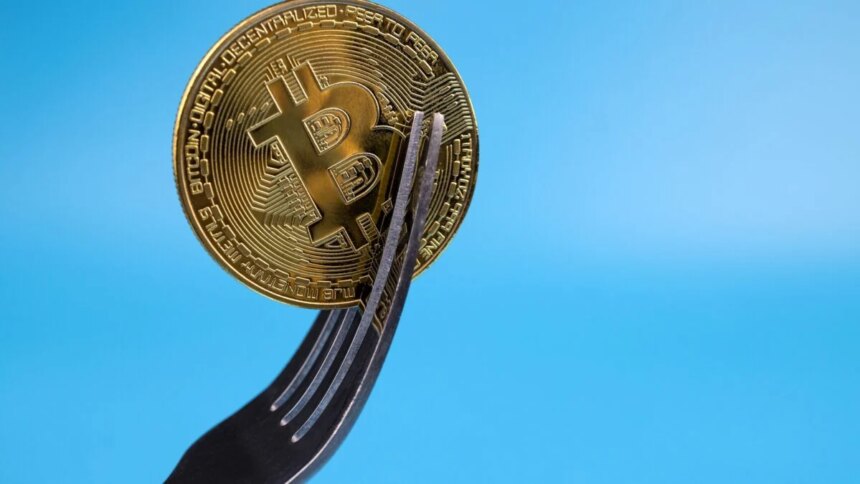
Bitcoin holders are bracing for significant developments this summer, as two distinct forks of the Bitcoin network are set to occur. The first, a hard fork named eCash, is scheduled for August 21, while a separate proposal, BIP 110, appears less likely to achieve consensus within the community.
Forks in the Bitcoin ecosystem allow for the creation of new cryptocurrencies, with ownership inherited based on Bitcoin holdings at the time of the split. Such initiatives aim to explore new features and applications without starting from scratch. Historical precedent shows that these forks often lead to a rush of speculative trading, with newly airdropped tokens frequently sold off for Bitcoin or disregarded entirely.
The landscape of Bitcoin forks gained considerable attention at the end of the so-called “block size war.” This contentious period saw Bitcoin Cash separate from Bitcoin in August 2017, amid debates surrounding block size limitations. Subsequent forks, including Bitcoin Gold and Bitcoin SV, have mostly been associated with the quest to carve out new niches counter to Bitcoin’s original design.
The emerging fork projects for 2026 stem from ongoing disagreements regarding Bitcoin’s technical direction, but the current climate lacks the divisive fervor of past debates.
eCash is notable for its straightforward approach as it will launch via a hard fork, allocating corresponding balances to nearly all Bitcoin holders at the snapshot time. Developed by Paul Sztorc, a long-time Bitcoin researcher, eCash aims to implement the Drivechain proposal. Aiming to finally activate concepts introduced in 2015, Drivechain facilitates moving Bitcoin to sidechains with varying rulesets. While initially intended as a soft fork to maintain compatibility with the Bitcoin network, the absence of consensus has led to the decision to create a distinct blockchain instead. Notably, eCash is reserving a portion of its tokens, initially intended for Satoshi Nakamoto, to fund development and reward investors, a move that has drawn scrutiny within the community.
Conversely, BIP 110 adopts a more aggressive stance by attempting to introduce temporary consensus limits on the types of non-financial data allowed in Bitcoin transactions. This proposal stems from ongoing debates surrounding “inscriptions,” where various forms of media and tokens are included in Bitcoin transactions. Supporters argue that these activities clutter the network, while critics maintain that valid transactions should not be censored based on subjective classifications of spam.
The activation of BIP 110 hinges on 55% support from mined blocks over a specified difficulty period. However, recent tracking indicates miner support remains far below this threshold, complicating the likelihood of smooth implementation. If enacted, nodes utilizing BIP 110 would disregard blocks that don’t comply with its stricter rules, effectively transitioning into a distinct cryptocurrency network.
As Bitcoin continues to evolve through these forks, holders are urged to remain vigilant. The potential to gain new assets through airdrops or forks can come with security risks. There’s the possibility of replay attacks, wherein transactions on one network can be replicated on another if protective measures are insufficient. Users are advised to exercise caution with their Bitcoin seed phrases or private keys, particularly as new software variants emerge.
In summary, the impending eCash launch and the contentious BIP 110 proposal stand to shape the Bitcoin landscape in the coming months, providing both opportunities and challenges for existing holders.