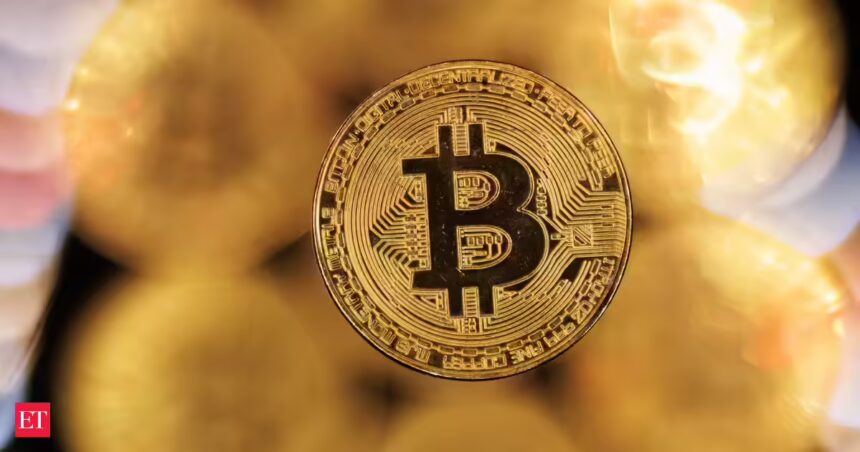
Bitcoin has recently surged to a three-month high, trading in the range of $81,000 to $82,000, marking a 1.4% increase within a 24-hour period. This significant rally has unfolded amid changing geopolitical dynamics, particularly in relation to easing tensions between the United States and Iran.
Recent reports indicated that the White House is nearing a potential agreement with Iran, focusing on a one-page, 14-point memorandum aimed at de-escalating hostilities. Notably, US envoys Steve Witkoff and Jared Kushner are reportedly handling these negotiations, which could allow for a 30-day window for further discussions covering crucial topics such as the Strait of Hormuz and Iran’s nuclear program.
In what appears to bolster investor confidence, Iran’s Revolutionary Guards Navy has hinted at allowing safe passage through the highly strategic Strait of Hormuz, coinciding with a pause in US naval operations in the area. This potential de-escalation in a vital global trade route has contributed to a positive shift in market sentiment.
Indices across broader markets have mirrored this positive outlook, with the S&P 500 rising 0.85% to reach a record high of 7,366.25. Concurrently, crude oil prices dropped significantly, falling over 10% to $93 per barrel, which may alleviate inflationary pressures affecting the economy.
Since the onset of conflict, Bitcoin has experienced a remarkable 25% increase, significantly outpacing the S&P 500’s 8% gain and gold’s 11% decline. Momentum indicators reveal a robust demand for Bitcoin, with its one-day relative strength index reaching 71, the highest recorded in seven months, reminiscent of when it previously reached an all-time high of $126,080.
However, despite the prevailing optimism regarding ongoing negotiations, uncertainties continue to loom. US officials are expecting a response from Iran concerning key provisions within a two-day timeframe, although they caution that no formal agreement has yet been finalized. Iran has made it clear that it will only accept a deal deemed fair, and the possibility of renewed military action could increase if talks fail. Former President Donald Trump has emphasized the stakes involved, warning of intensified military action should Iran not agree to the proposed terms.
Moreover, shifts in the investing landscape have sparked discussions about the evolving perception of gold as a safe-haven asset. Analysts, including Ryan Lee from Bitget Research, suggest that rising oil prices have prompted broader macroeconomic changes, impacting both real yields and the US dollar. This has affected non-yielding assets such as gold. Interestingly, there appears to be a gradual shift among institutional investors, with many now viewing Bitcoin as a viable alternative to gold for hedging against market uncertainties.
Looking ahead, analysts predict that Bitcoin could fluctuate between $68,000 and $84,000 depending on developments surrounding the Strait of Hormuz, with Ethereum potentially ranging between $2,200 and $2,600. The evolving geopolitical landscape and the shifting investor sentiment continue to play a key role in shaping the future trajectory of digital assets and traditional markets alike.