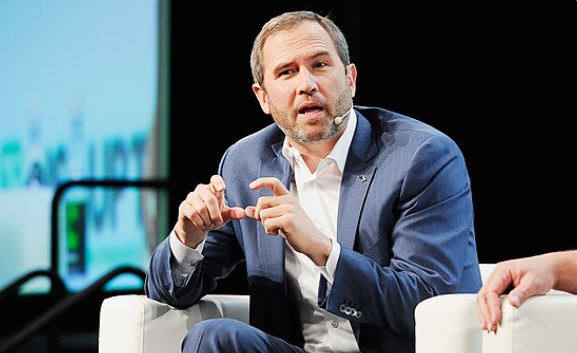
In a recent discussion at Consensus Miami 2026, Brad Garlinghouse, the CEO of Ripple, shared his views on the evolving landscape of cryptocurrency, emphasizing a multi-chain future and the necessity of collaboration within the industry. Contrary to the idea of an “XRP maximalist,” which sees XRP as the only significant cryptocurrency, Garlinghouse expressed his belief that the market will not consolidate into a single chain. “I have never been an XRP maximalist,” he stated, underscoring his hopes for the success of Bitcoin alongside XRP.
Garlinghouse articulated that tribalism in the crypto sector is detrimental, preventing a unified advancement of the industry. He positioned Ripple’s focus firmly on XRP, describing it as their “North Star.” He indicated that ongoing acquisitions and new product developments would enhance the token’s utility, reinforcing Ripple’s commitment to its own cryptocurrency while remaining hopeful for the broader market.
The conversation also highlighted a recent survey conducted by Ripple, which revealed strong corporate demand for digital asset solutions among financial leaders. The survey, involving around 1,000 executive participants, showed that 72% believed digital asset solutions are essential for maintaining competitiveness, with 74% identifying stablecoins as pivotal for future cash management strategies. Additionally, a significant 97% prioritized security in digital assets, reflecting the growing importance of safety in digital financial transactions.
When discussing technological advancements, particularly in artificial intelligence, Garlinghouse framed the conversation around growth rather than reductions in workforce. He shared that 75% of Ripple’s code is either generated by AI or developed with AI assistance. “It is wrong to paint AI as something to fear,” he remarked, proposing that AI presents opportunities for business expansion rather than layoffs—a stark contrast to trends in other companies that have cited AI as a reason for staff reductions.
Garlinghouse also touched on legislative concerns, specifically referencing the CLARITY Act currently deliberating in the U.S. Congress. He described the bill as crucial for clarifying the regulatory landscape between the U.S. Securities and Exchange Commission (SEC) and the Commodity Futures Trading Commission (CFTC) regarding whether crypto tokens should be classified as securities or commodities. Although he expressed reservations about the bill’s perfection, he echoed the sentiment that “clarity is better than confusion,” warning that time is essential for its passage to avoid stagnation.
On that same day, attention shifted toward Evernode, a company focused on XRP treasury management, which is pursuing a Nasdaq listing with support from Ripple. Evernode announced the appointment of new directors, including Ripple’s chief legal officer, Stuart Alderoty, and aims to provide investors exposure to XRP through a publicly-listed company, pending SEC review. This listing is viewed as an opportunity to broaden XRP’s accessibility to institutional investors and could set a precedent for digital asset investment in the public market.