Oil prices surged over 2 percent amidst a significant diplomatic setback between the United States and Iran regarding ongoing peace negotiations. Brent crude, the primary benchmark for global oil pricing, saw its value rise to $106.99 as of 1:30 GMT, reflecting the market’s reaction to the stalled discussions.
The anticipated second round of ceasefire talks, set to take place in Pakistan, collapsed over the weekend as U.S. President Donald Trump called off a planned visit by his envoys, Steve Witkoff and Jared Kushner. This decision came shortly after Iran’s Foreign Minister Abbas Araghchi left Islamabad without any direct dialogue occurring. This breakdown in negotiations raised concerns about the future of the fragile ceasefire between the two nations, which has already been extended once without a defined deadline for a conclusive agreement.
In a related move, Araghchi traveled to Saint Petersburg on Monday to meet with Russian President Vladimir Putin and other officials, as Tehran navigates the complexities of its diplomatic standoff. His trip follows previous discussions in Oman, underlining the urgency for Iran to explore potential avenues to resolve the impasse.
Despite the challenges in U.S.-Iranian relations, Asian stock markets displayed resilience, with Japan’s Nikkei 225 index and South Korea’s KOSPI climbing by 0.9 percent and 1.5 percent, respectively, during morning trade on Monday.
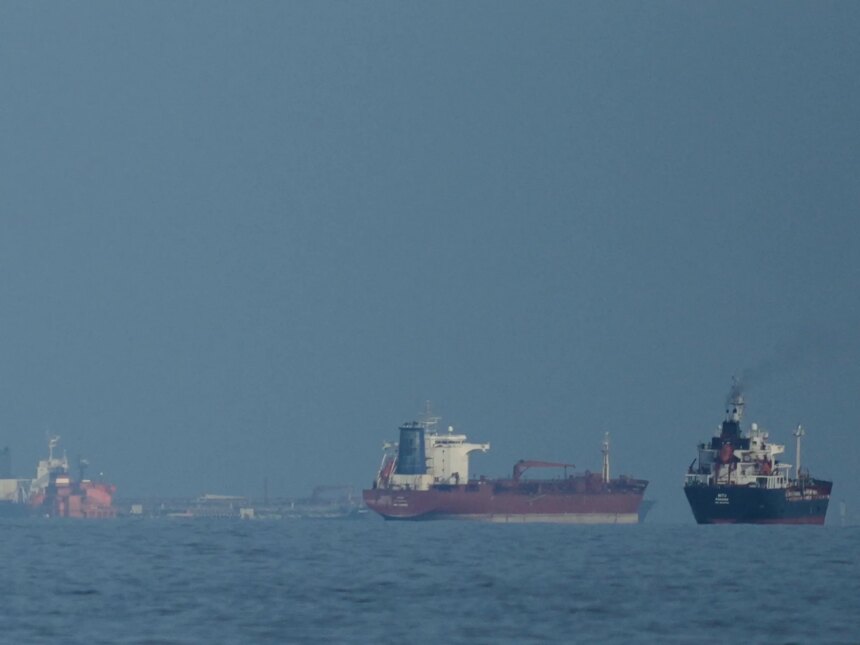
The increasing tensions have ongoing implications for global commerce, particularly concerning Iran’s threats to disrupt shipping in the vital Strait of Hormuz. This strategic waterway normally serves as a conduit for approximately 20 percent of the world’s oil and natural gas supply. Recent maritime traffic data from the intelligence platform Windward indicates that only 19 commercial vessels traversed the strait on Saturday, a stark contrast to the average of 129 daily transits prior to the renewed conflict that surfaced in late February.
As the situation evolves, the potential for continued volatility in both oil markets and geopolitical relations looms large, with stakeholders closely monitoring the developments in Washington and Tehran.