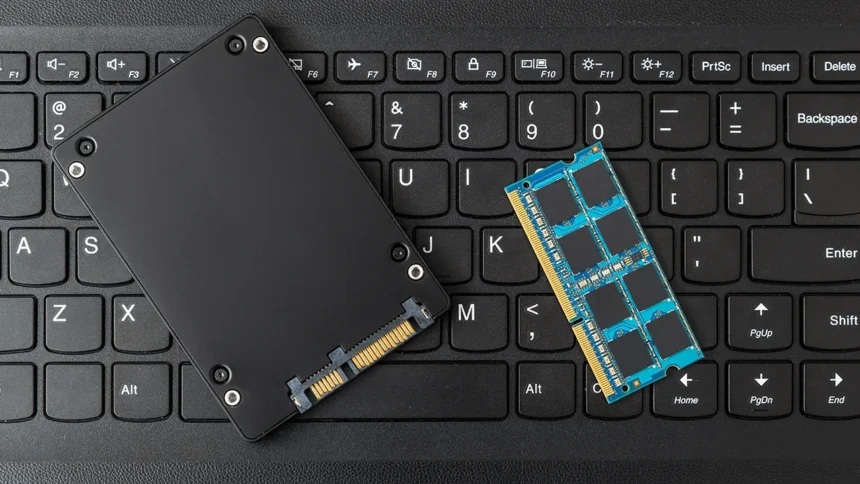
A recent incident highlights the risks associated with purchasing storage devices online, as a Reddit user discovered an unexpected trove of files on what was supposed to be a new 1TB SSD. The user, known by the handle All-Seeing_Hands, shared their experience after unboxing the SSD, only to find approximately 800GB of preloaded software instead of a blank drive. This unexpected discovery raised urgent questions about the integrity of online marketplaces and the potential dangers of unverified purchases.
On closer inspection, the drive contained professional music production tools like Kontakt and Reaktor, which are often used in studios. While this surprise might initially seem like a bonus for an unsuspecting buyer, it raised significant concerns regarding the authenticity of the software and the legitimacy of the drive itself. With unverified software, buyers could be facing pirated content that may need activation or even malware disguised within a seemingly legitimate package.
The incident aligns with a troubling trend in online sales, where issues such as counterfeit devices and misleading product listings persist. Experts in the field have noted that sellers often manipulate SMART data or firmware counters to conceal previous usage or wear. In several alarming instances, electronics marketed as high-capacity drives were merely empty enclosures equipped with spoofed components.
The risks are exacerbated when well-known brands, including Seagate, become victims of counterfeit products. Consumers may inadvertently purchase lookalike devices tagged with trusted logos, only to find that these poor-quality products fail shortly after delivery, often outside of the return window. This discrepancy between product listings and actual delivery can lead to significant buyer dissatisfaction and financial loss.
For those navigating the uncertain waters of online storage purchases, a few precautionary steps can help mitigate risks. It’s advisable to buy directly from reputable retailers or well-established US marketplaces, rather than from unfamiliar sellers with limited histories. Before using any newly acquired drive, buyers should cross-check model numbers and verify serial numbers through manufacturers’ websites. Conducting a full format and surface test can further ensure that the device is operational and free of hidden issues.
As the world increasingly relies on digital storage, this incident underscores the importance of vigilance in online shopping, particularly when it comes to tech that could harbor unseen risks. Buyers are encouraged to document the packaging, labels, and SMART reports of their purchases, and to swiftly return anything that appears suspicious. Ultimately, a drive marked as “new” should not arrive preloaded with content, prompting both caution and scrutiny in future online transactions.