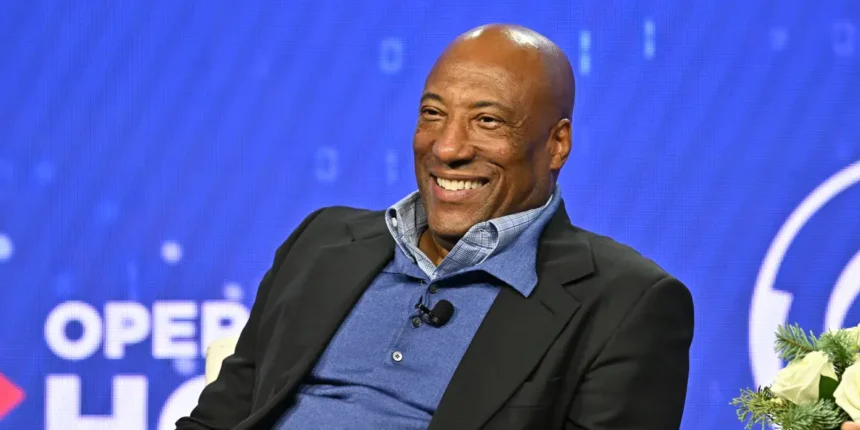
In a significant downturn for the once-celebrated digital publisher, BuzzFeed announced it will sell a majority stake to media entrepreneur Byron Allen for $120 million. This development comes as the company grapples with ongoing financial difficulties and dwindling investor confidence. With reports suggesting that BuzzFeed is exploring “strategic options” due to a severe cash crunch, this acquisition could mark a pivotal shift for the beleaguered media outlet.
BuzzFeed was once heralded as the embodiment of the future of media, captivating audiences with its engaging content and innovative approaches that appealed to millennials. Alongside other digital pioneers like Vice and Vox Media, it rode the wave of excitement surrounding social media, particularly Facebook, which was then viewed as a powerful ally in content distribution.
However, the landscape has drastically changed. Facebook, once a partner, has emerged as a fierce competitor, while the digital advertising market has proven to be more challenging than anticipated. Many high-profile digital publishers have struggled in this shifting terrain, with Vice filing for bankruptcy protection and Vox Media seemingly on the verge of disintegration. Reports indicate that Vox could be selling off its assets piecemeal, highlighting the industry’s fragility.
After a tumultuous year that included fending off a hostile takeover bid from former Republican presidential candidate Vivek Ramaswamy, BuzzFeed’s leadership now appears to be capitulating. The deal with Allen raises questions about his motivations and the potential direction for BuzzFeed. Allen, who has often expressed interest in acquiring substantial media properties, stated his intent to expand BuzzFeed and HuffPost into areas like streaming video, audio, and user-generated content. He also mentioned plans to utilize artificial intelligence to position BuzzFeed as a competitor to YouTube—a claim that many analysts find dubious.
Complexities surround the financial terms of the acquisition. The $120 million price tag for a 52% stake equates to an initial cash injection of $20 million, paired with a commitment to pay $100 million plus interest over five years. Given that BuzzFeed’s market capitalization had plummeted to less than $30 million prior to the announcement, the deal suggests that Allen may be massively overvaluing the company amidst its current debt and financial woes.
In its latest financial report, BuzzFeed posted a revenue decline of 12.4%, totaling $31.6 million, while its losses surged by 21% to $15.1 million. This troubling performance, compounded by a “going concern” warning indicating significant doubts about its viability over the next year, points to a potentially precarious situation.
As Allen prepares to take the reins, the future remains uncertain. His leadership could potentially result in drastic cuts that previous CEO Jonah Peretti may have hesitated to enforce. Alternatively, Allen might harness the brand equity BuzzFeed built during its ascendancy in the early 2010s to carve out a new identity for the company.
Ultimately, this acquisition highlights a stark reality: the aspirational vision of digital media that many believed was on the horizon has, for BuzzFeed, devolved into a battle for survival in an increasingly competitive landscape. The outcome of this new chapter will be closely observed as the media industry continues to evolve.