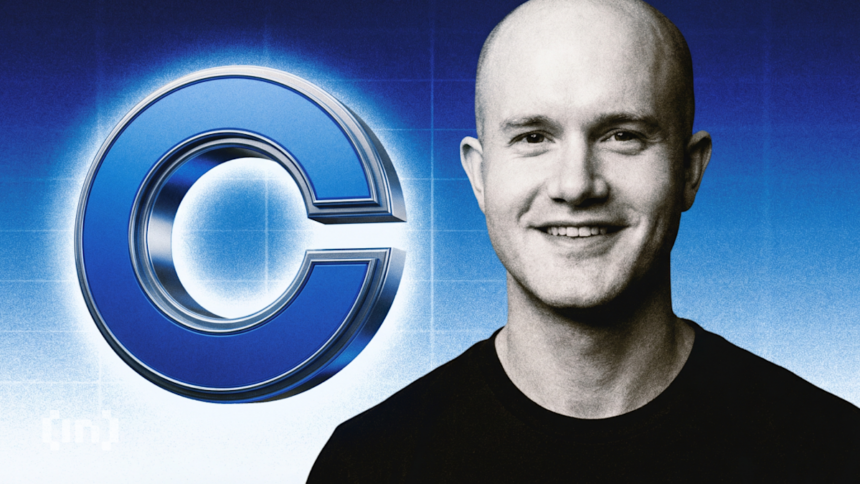
In a recent statement, Coinbase CEO Brian Armstrong outlined an ambitious agenda highlighting crucial areas needing updates within the global financial system. His eight-point list focuses on tokenized assets, stablecoins, artificial intelligence (AI), sound money, and other significant topics, framing them as essential tasks for both technology developers and policymakers.
The call for change is timely, as data from RWA.xyz indicates that tokenized real-world assets (RWAs) surpassed $34.9 billion in May 2026, marking a remarkable 200% growth over the past year. Armstrong emphasized the necessity of transitioning various assets—including real estate, stocks, bonds, and funds—onto blockchain technology. This transition would facilitate instant settlement, enable fractional ownership, and broaden access for global investors.
Furthermore, he advocated for continuous global markets with pooled liquidity, asserting that 24/7 trading capabilities could enhance capital efficiency and provide enhanced access to leveraged financial products.
On the topic of stablecoins, Armstrong pointed out their crucial role in the financial landscape, particularly in facilitating transactions between autonomous AI agents. Coinbase’s x402, a stablecoin payment protocol, has already processed over 75.4 million transactions in just the past month, underscoring the increasing importance of stablecoins in everyday transactions.
Armstrong also highlighted the potential of AI to revolutionize areas such as credit decision-making and fraud detection. He posited that AI could lead to improved risk assessment, enhanced compliance, and more informed investment advice, ultimately granting broader access to quality financial guidance for consumers.
In addition, he stressed the importance of implementing risk-based regulation instead of blanket rules, allowing for a more nuanced approach to the evolving financial landscape. His agenda encapsulates the need for sound money, self-custody options, and lower-cost capital formation, identifying all eight areas as vital for future progress.
As the financial world continues to evolve, Armstrong’s insights serve as a critical reminder of the ongoing need for innovation and adaptation in response to the rapid changes that define today’s economy.