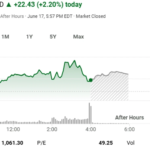
Coinbase Global recently reported a significant increase in its net profit margin, climbing to 42.4%, up from 31.2% a year prior. This impressive figure is complemented by an earnings growth spike of 106.2% over the past twelve months, starkly exceeding the company’s five-year annual growth average of 18.7%. However, despite these stellar profit figures, current share prices are noticeably elevated, trading at $343.78, considerably above the estimated fair value of $140.60 per share. The stock’s Price-To-Earnings Ratio stands at 27.5x, which is lower than the peer average but higher than that of the broader U.S. Capital Markets industry.
Looking ahead, Coinbase’s management anticipates a 6.8% annual decline in earnings over the next three years, alongside slower revenue growth relative to the overall U.S. market. This poses a challenge for investors who must balance current profitability against less optimistic future growth forecasts.
Coinbase has secured major partnerships with heavyweight institutions such as BlackRock, PNC, JPMorgan, Stripe, and Shopify, aiming to solidify its status as the main gateway for institutional digital asset adoption. Analysts suggest that these alliances could significantly elevate institutional trading volumes and custody revenues. The company is also focusing on developing proprietary blockchain platforms and integrated payment solutions like USDC and Base. These initiatives are intended to create ecosystem lock-in and diversify revenue streams beyond traditional trading fees. However, this reliance on trading activity raises questions about long-term revenue predictability, as consistent growth in high-margin recurring services is essential.
Forecasts indicate that profit margins may drop from 42.7% today to 24.3% within three years. Analysts’ expectations of declining annual earnings of 6.8% cast a shadow over the company’s recent profitability surges. Concerns about the sustainability of these margins are fueled by the reality that high net margins are partly driven by non-cash earnings and remain susceptible to rising costs, which could be exacerbated by recent cybersecurity-related expenses totaling $307 million in the last quarter. While recurring revenue streams are expected to grow, climbing compliance and platform costs pose risks that could further compress margins and complicate sustained profit growth.
Coinbase’s shares, now priced significantly higher than their discounted cash flow fair value, have sparked discussions among investors. The Price-To-Earnings Ratio of 27.5x positions the company in a precarious spot between its peers and the broader industry averages. Current market valuations exceed analyst targets, with future growth expectations lagging behind overall market trends. This suggests that long-term investor benefits may hinge on the company successfully diversifying its revenue streams and maintaining margin stability.
Should growth forecasts prove overly optimistic or if margin compression intensifies, there exists a tangible risk of a market correction in valuation compared to both peer companies and intrinsic value assessments.
A comprehensive analysis of Coinbase Global invites investors to explore not only the current financial metrics but also the associated risks and long-term growth trajectories. Those interested in keeping tabs on the evolving story of Coinbase can add the company to their watchlist and engage with community narratives for varied perspectives on its financial health.
As Coinbase navigates its path forward, the question remains: can it sustain its recent profitability while adapting to the changing landscape of digital assets? Investing in Coinbase comes with risks, including its high valuation, slowing earnings growth, and potential margin constriction, all of which could lead to overvaluation concerns in an uncertain economic environment. For those seeking more promising investment opportunities, analyses of undervalued stocks based on cash flows may yield better prospects.