The landscape of corporate treasury management is undergoing a significant transformation as organizations increasingly recognize the need for real-time global liquidity solutions. This shift is largely driven by mounting pressures on treasury teams to expedite internal cross-border funding, prompting a reevaluation of existing liquidity strategies.
Renaat Ver Eecke, Senior Vice President of Ripple Treasury, highlighted this trend via a recent post on social media platform X. He noted that multinational corporations are prioritizing rapid intra-company transfers, leveraging Ripple’s infrastructure to meet these demands. Ver Eecke emphasized a notable surge in the urgency for swifter money movement related to payroll, vendor payments, and similar operational activities, with firms requiring annual intercompany funding ranging from $250 million to $750 million.
Traditional banking systems pose significant challenges in achieving these needs, as legacy infrastructure often leads to delays in treasury operations. Cross-border transactions, typically routed through correspondent banking networks, can extend over 3–5 business days and encounter multiple intermediaries, resulting in inefficiencies, lack of transparency, and increased costs. To circumvent these setbacks, many multinational firms maintain excess cash balances across various regions, which not only creates idle capital but also compels others to resort to short-term borrowing that is further complicated by foreign exchange spreads.
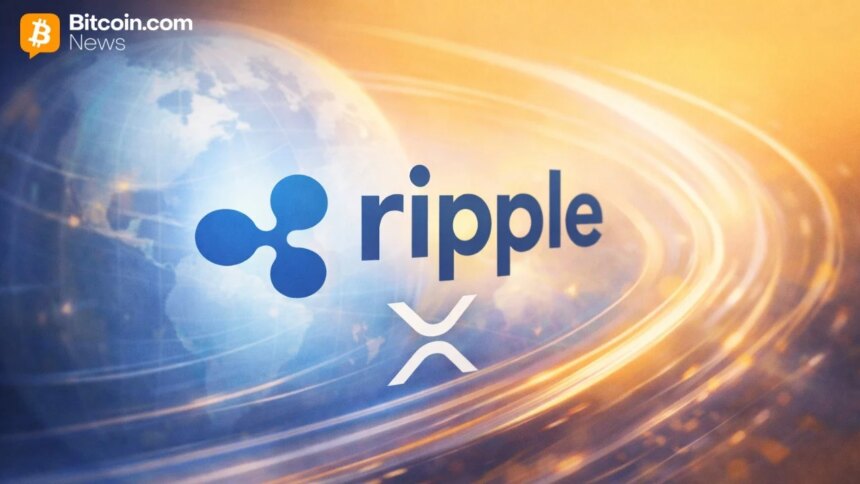
Ripple’s credibility in addressing these liquidity challenges was strengthened by its acquisition of GTreasury in October 2025 for $1 billion, subsequently rebranding the platform under its treasury suite. This strategic move integrates established treasury management systems with blockchain-based settlement capabilities. GTreasury, which has over 40 years of industry experience, services a wide range of corporations, including Fortune 500 names like American Airlines and Hitachi, by offering tools for cash forecasting, risk management, and bank connectivity.
Ripple’s development has evolved through various stages to mitigate treasury constraints, transitioning from early remittance-focused offerings to comprehensive liquidity solutions. Its On-Demand Liquidity model allows the use of XRP as a bridge asset for converting between fiat currencies without the necessity of pre-funded accounts. Recently, Ripple extended its offerings to encompass internal corporate funding and large-scale liquidity coordination.
By early 2026, Ripple and the rebranded GTreasury platform launched a unified system enabling corporate treasurers to manage both traditional fiat accounts and digital assets, such as XRP and RLUSD, all within one interface. This integration combines GTreasury’s compliance frameworks with Ripple’s streamlined settlement methods, allowing firms to execute intercompany transfers while adhering to the same regulatory standards as traditional banking, significantly enhancing settlement speed.
At a macroeconomic level, shifting financial conditions have heightened the urgency for real-time liquidity access. Increased interest rates have escalated the costs associated with idle capital, compelling treasury teams to optimize working capital and adopt just-in-time funding strategies. Concurrently, rising currency and geopolitical volatility underscored the need for rapid fund repositioning to manage exposure and navigate fluctuating market situations. The emphasis on the immediacy of internal transfers highlights the potential disruptions to vendor relationships, employee payment timelines, and the accuracy of financial planning.
Ver Eecke encapsulated Ripple’s mission by stating, “Enter global money movement enabled by Ripple Payments combined with real-time cash management and forecasting through Ripple Treasury.” This approach underscores how innovative liquidity solutions are pivotal for modern corporations navigating today’s dynamic financial environment.