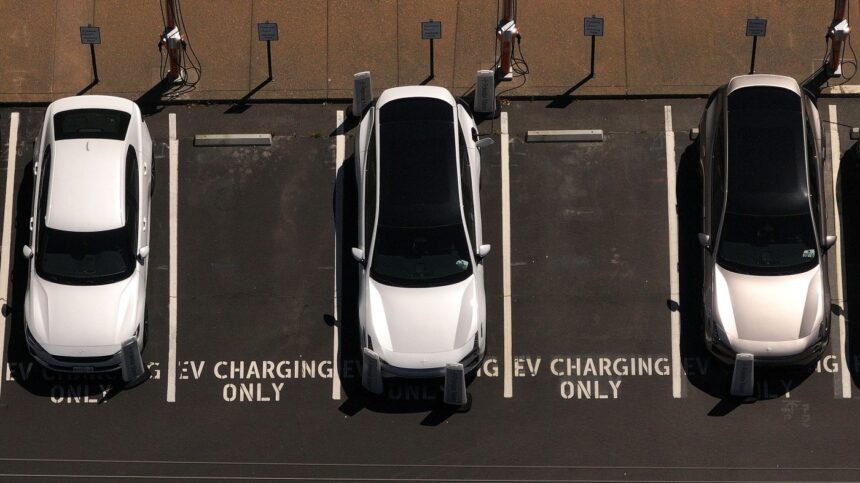
The electric vehicle (EV) industry has faced significant challenges this year, following a series of policy reversals by the Trump administration aimed at dismantling federal support for electric vehicles. Initiatives that previously facilitated the sale of EVs in California have been annulled, federal emissions and fuel economy rules are undergoing substantial revisions, and penalties for automakers selling gas-guzzling vehicles have vanished. Additionally, the $7,500 federal tax credit has been eliminated, creating a more difficult landscape for EV adoption.
In response to these shifts, several automakers have pulled back on ambitious EV plans. Notably, the all-electric Ram 1500 REV was canceled even before any units were produced, and the once-promising Ford Lightning was discontinued despite receiving positive reviews. Other models, such as the Volkswagen Buzz and the GM Brightdrop van, have also been withdrawn from the U.S. market. As a result, the EV landscape has become increasingly turbulent, with companies reassessing their strategies.
Sales of electric vehicles have mirrored this volatility. In August and September, demand surged as buyers rushed to take advantage of the expiring federal tax credit, reaching an all-time high of 11.6% in the new vehicle market by September. However, sales plummeted by 50% in October. Interestingly, consumer interest in EVs appears to have remained steady after the tax credit’s expiration. According to J.D. Power’s Brent Gruber, about 25% of new car shoppers express a strong interest in purchasing an electric vehicle, and levels of satisfaction among current EV owners remain high, with 94% indicating they would consider buying another EV.
Despite the ongoing interest, the adoption of EVs is progressing slower than anticipated. Challenges persist, particularly for individuals living in apartments without charging access and those facing the high initial cost of electric vehicles. Although reduced fuel and maintenance expenses are appealing, they often do not sufficiently counteract the up-front price for potential buyers.
This slowdown has broader implications for the environment, as it contributes to continued carbon emissions and air pollution. Legacy automakers have incurred substantial financial losses due to deferred or canceled EV projects, impacting a network of suppliers who depend on the automotive industry. As these suppliers adapt to fluctuating demand, concerns arise about job security and employment stability within the sector.
While automakers are recalibrating their plans, they remain committed to the electric vehicle space, partly due to ongoing consumer interest and the necessity of competing in the global market. With internal combustion engine vehicles nearing a peak in sales eight to nine years ago, the global market landscape continues to shift in favor of battery-powered cars. This trend is notably driven by China’s rapid adoption and significant exports of electric vehicles, indicating that automakers cannot afford to abandon their pursuit of EV technology if they wish to remain competitive on a worldwide scale.