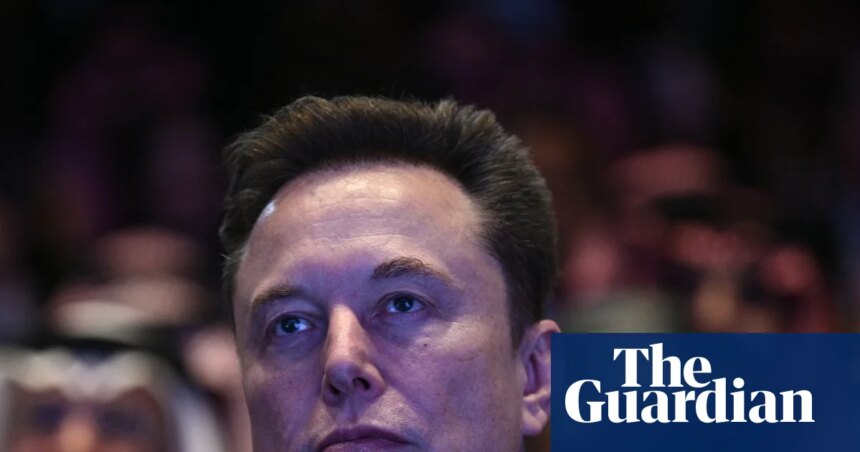
Elon Musk’s momentary reign as a trillionaire came to an end on Wednesday as the markets closed, with a significant decline in shares for both Tesla and SpaceX driving his net worth down to $970.2 billion, according to Forbes. This shift marks a sharp contrast to his status reached on June 12, following SpaceX’s historic initial public offering (IPO), which made him the first person to surpass the $1 trillion mark.
The recent selloff in global stock markets this week has significantly impacted major technology stocks, ultimately affecting Musk’s wealth. Investor unease over potential interest rate hikes by the Federal Reserve, coupled with apprehensions about a possible AI bubble, has led to volatility in the market. Companies closely tied to the flourishing AI sector, including Alphabet, the parent company of Google, and prominent chip manufacturers like Samsung, experienced substantial declines.
Musk’s rise to wealth was largely fueled by the record-setting IPO of SpaceX, which raised $75 billion and saw its stock price surge by 19% within the first 24 hours, climbing from an initial value of $135 per share. As of Wednesday, SpaceX shares were quoted at $154.35. This IPO not only boosted Musk’s fortune dramatically but also intertwined it closely with the performance of SpaceX’s stock.
Despite the fluctuations and the current decline in his wealth, Musk’s assets primarily consist of stocks and equity, rather than liquid cash, making it challenging for him to access funds readily. However, the nature of the market indicates the possibility of him reclaiming his trillionaire status should shares of Tesla or SpaceX experience a rebound.
Even though he is no longer classified as a trillionaire, Musk retains his position as the world’s richest individual. His nearest competitor, Google co-founder Larry Page, has a net worth of approximately $284 billion. In a remarkable achievement, Musk has increased his wealth by $338 billion since the beginning of the year alone, highlighting the fluctuating nature of fortunes in the dynamic tech landscape.